Signs giving orders
Signs with red circles are mostly prohibitive. Plates below signs qualify their message.
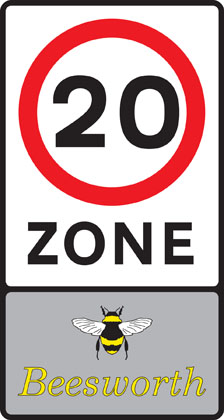
Entry to 20 mph zone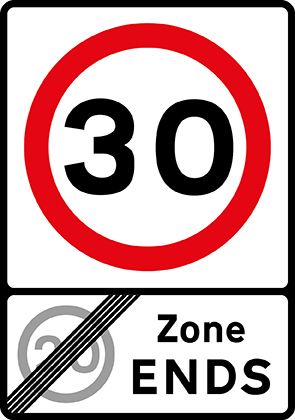
End of 20 mph zone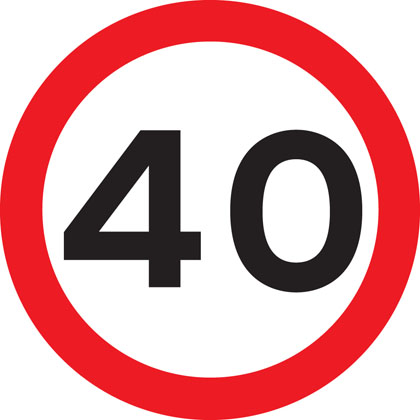
Maximum speed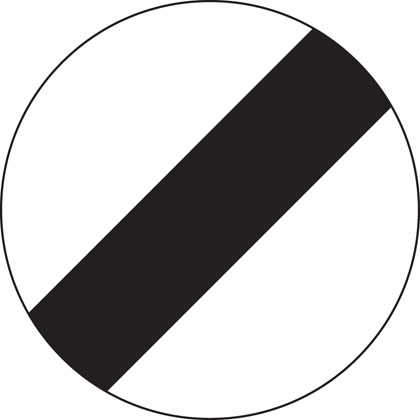
National speed limit applies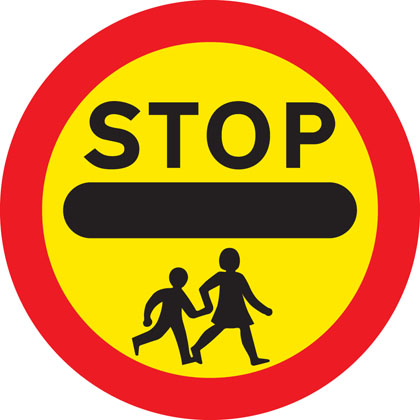
School crossing patrol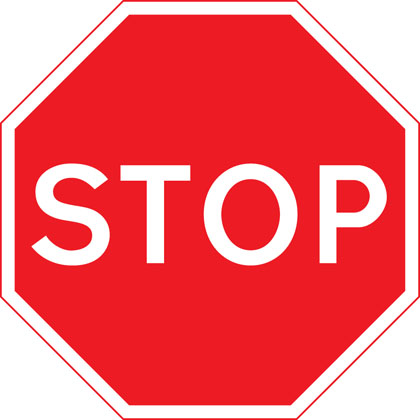
Stop and give way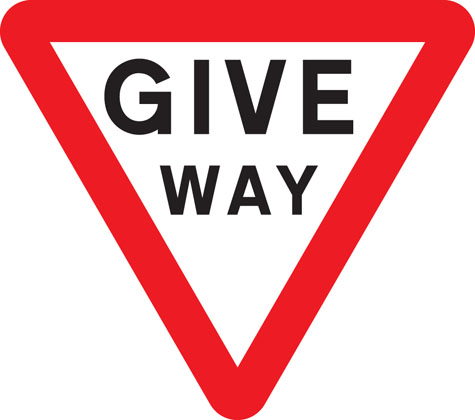
Give way to traffic on major road
Manually operated temporary STOP and GO signs
Manually operated temporary STOP and GO signs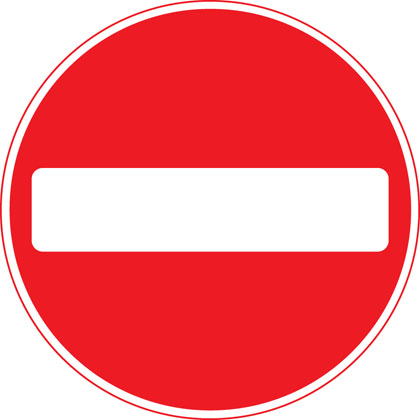
No entry for vehicular traffic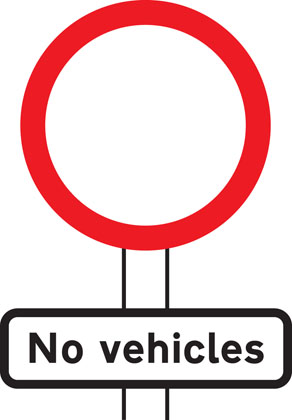
No vehicles except bicycles being pushed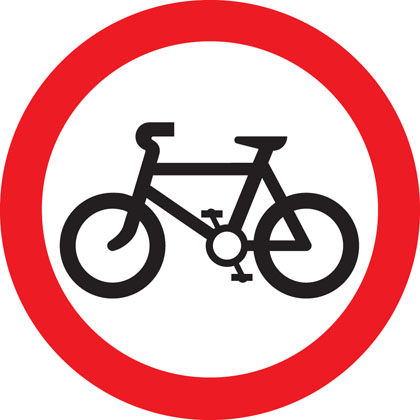
No cycling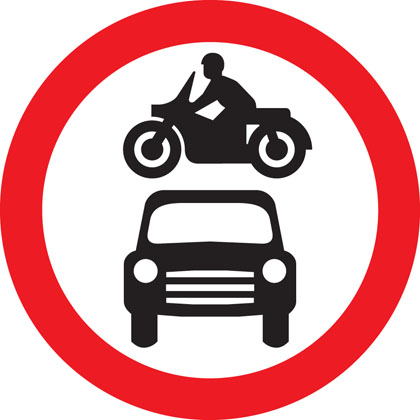
No motor vehicles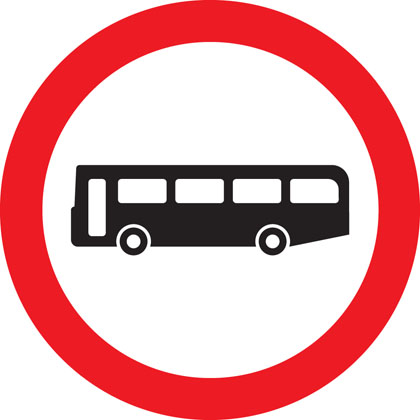
No buses (over 8 passenger seats)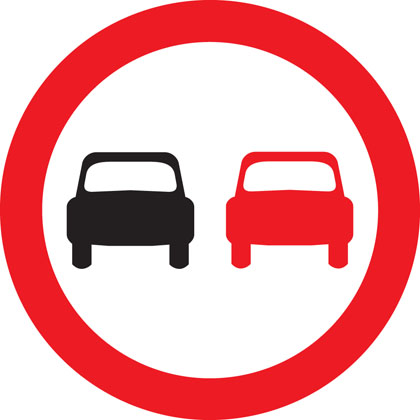
No overtaking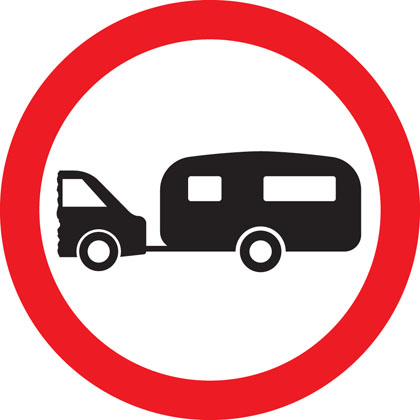
No towed caravans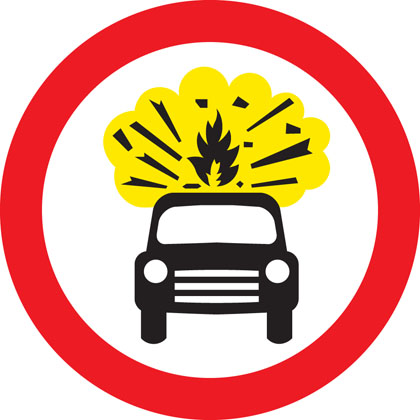
No vehicles carrying explosives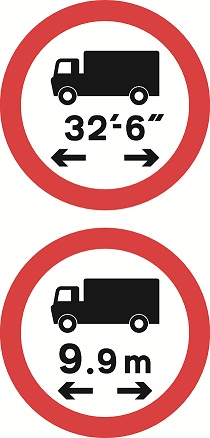
No vehicle or combination of vehicles over length shown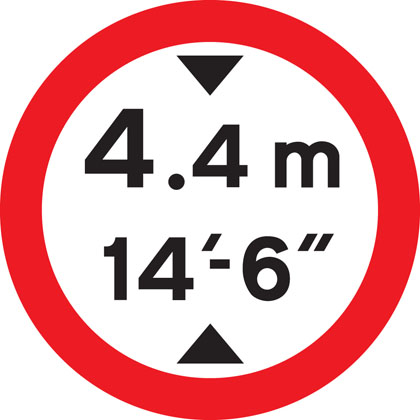
No vehicles over height shown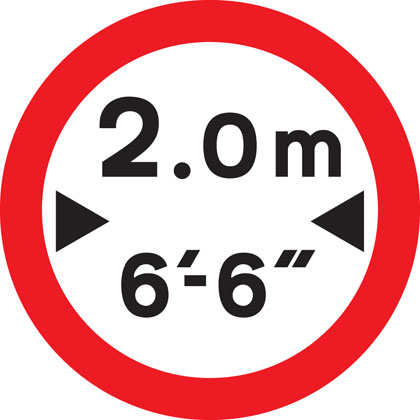
No vehicles over width shown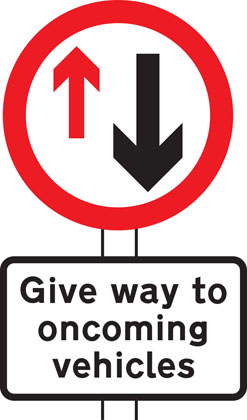
Give priority to vehicles from opposite direction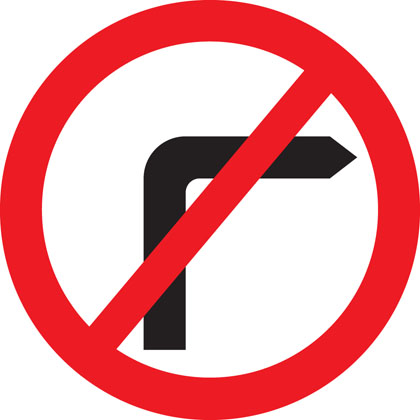
No right turn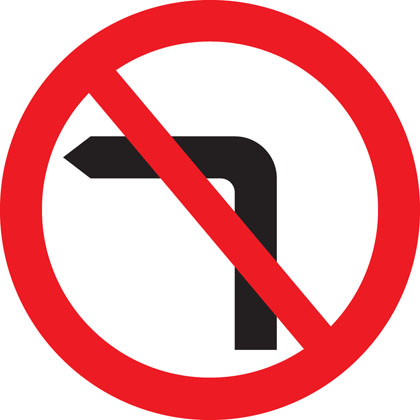
No left turn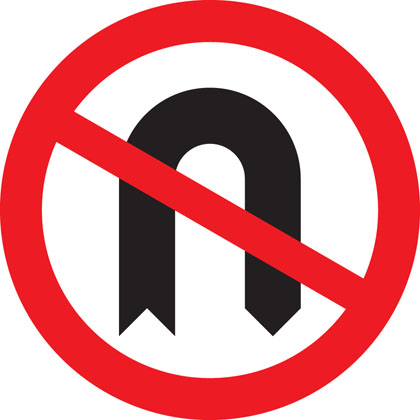
No U-turns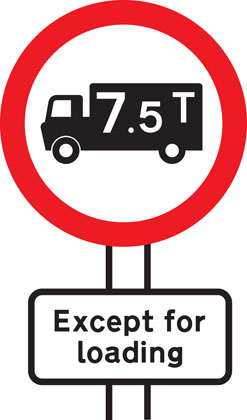
No goods vehicles over maximum gross weight shown (in tonnes) except for loading and unloading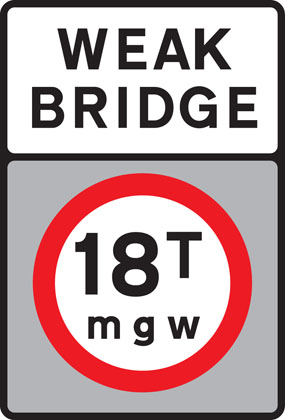
No vehicles over maximum gross weight shown (in tonnes)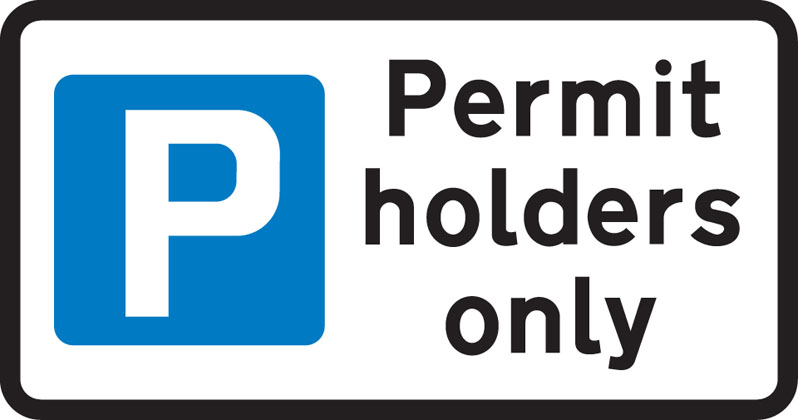
Parking restricted to permit holders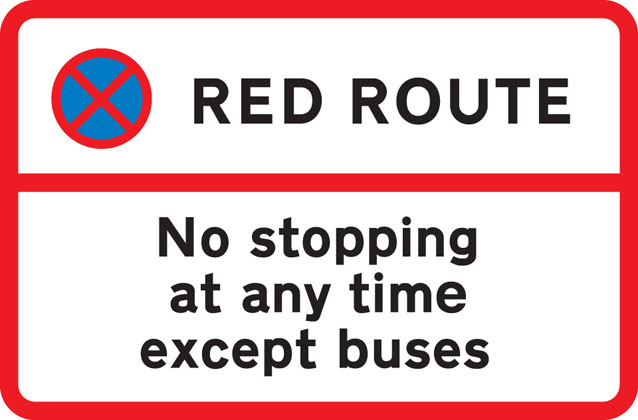
No stopping during period indicated except for buses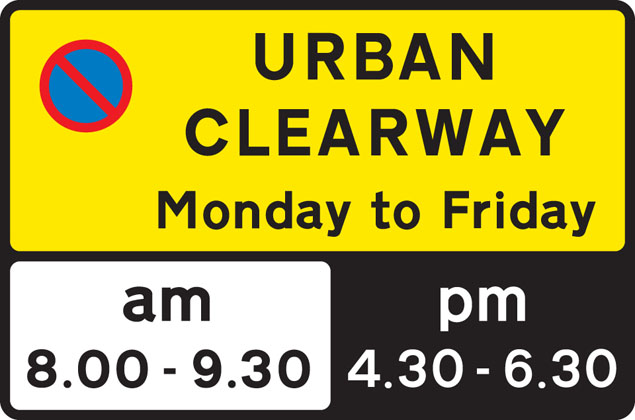
No stopping during times shown except for as long as necessary to set down or pick up passengers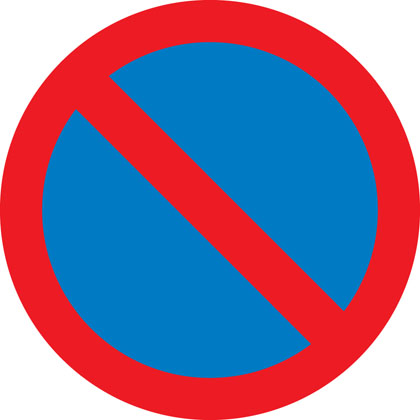
No waiting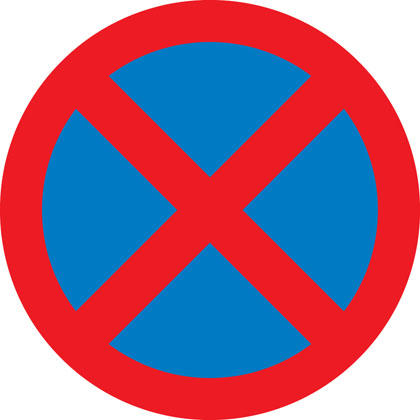
No stopping (Clearway)
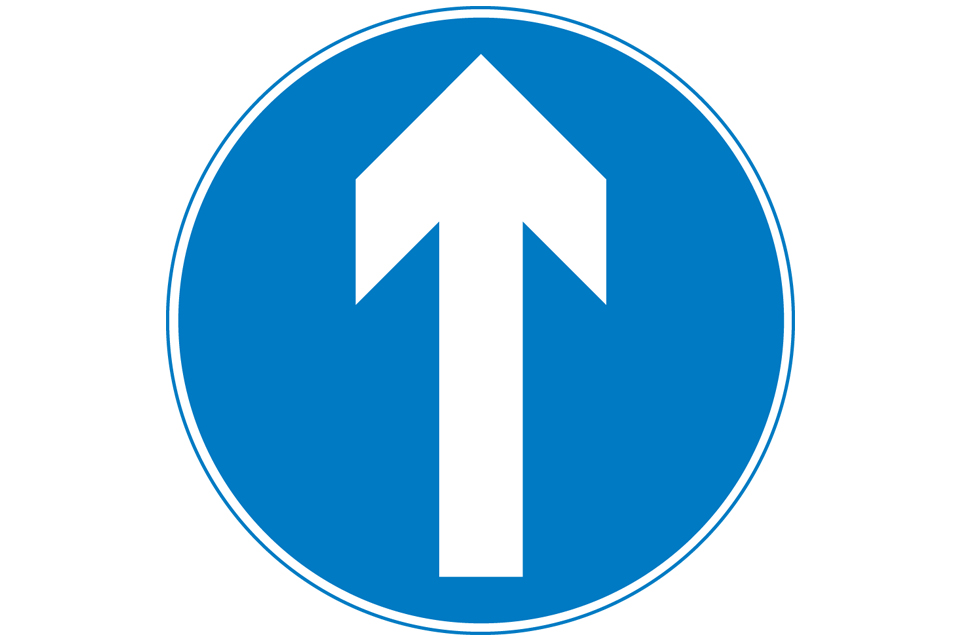
Ahead only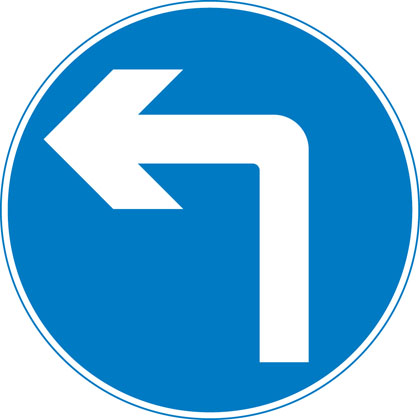
Turn left ahead (right if symbol reversed)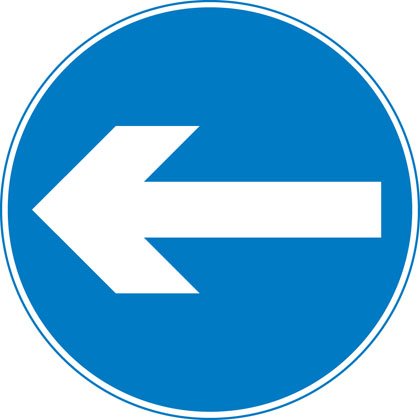
Turn left (right if symbol reversed)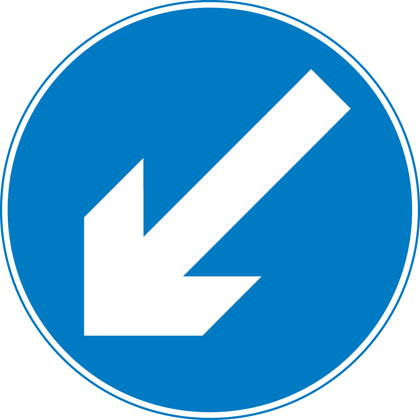
Keep left (right if symbol reversed)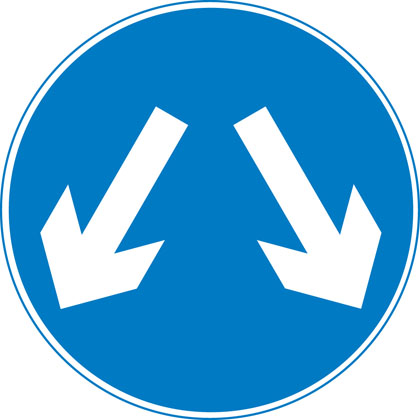
Vehicles may pass either side to reach same destination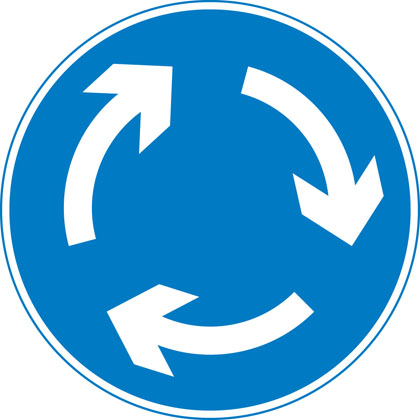
Mini-roundabout (roundabout circulation - give way to vehicles from the immediate right)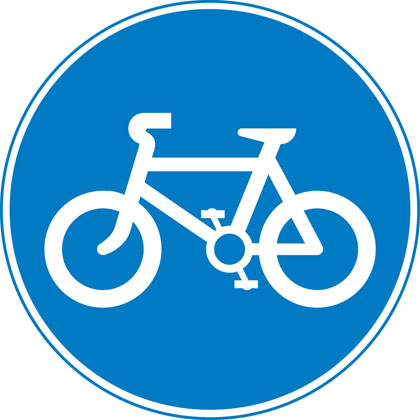
Route to be used by pedal cycles only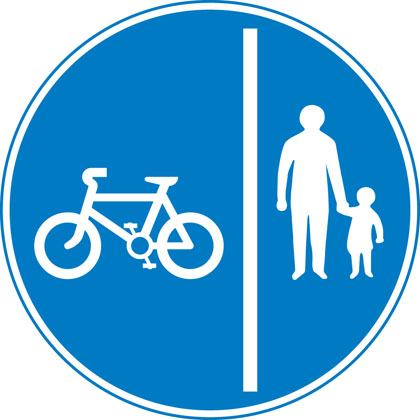
Segregated pedal cycle and pedestrian route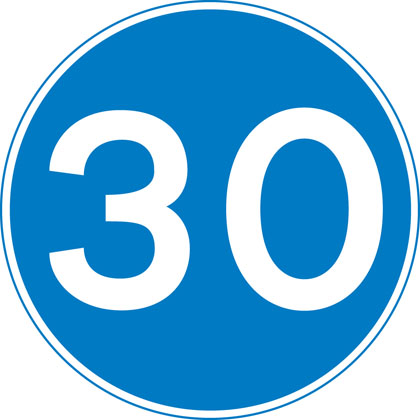
Minimum speed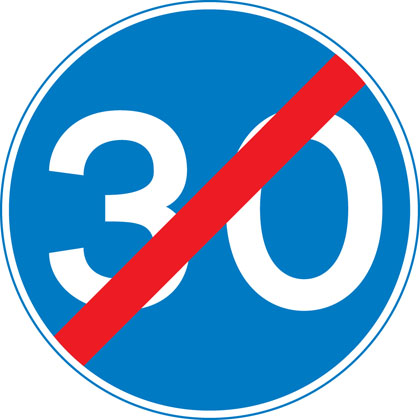
End of minimum speed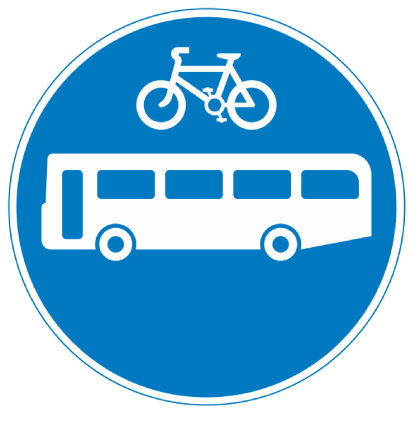
Buses and cycles only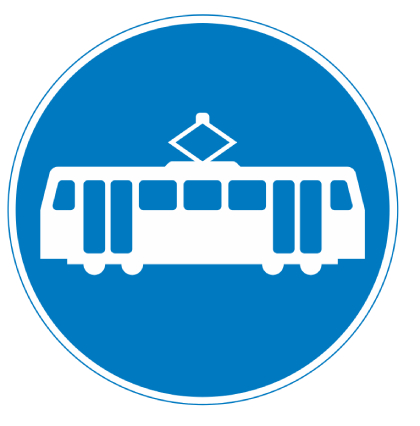
Trams only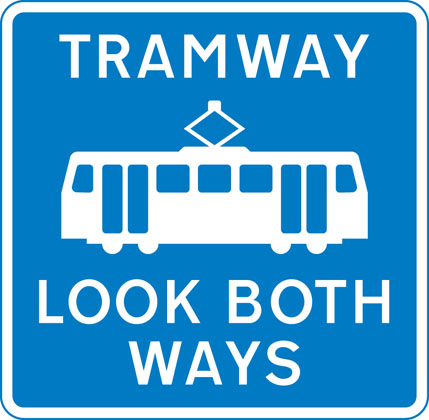
Pedestrian crossing point over tramway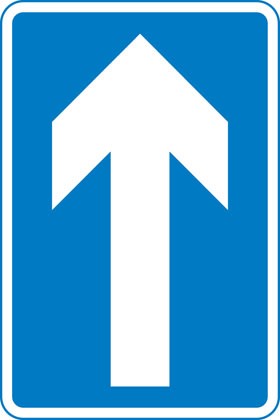
One-way traffic (note: compare circular ‘Ahead only’ sign)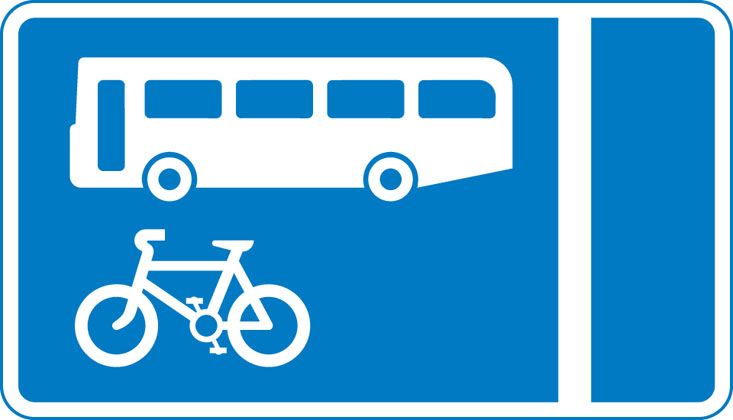
With-flow bus and cycle lane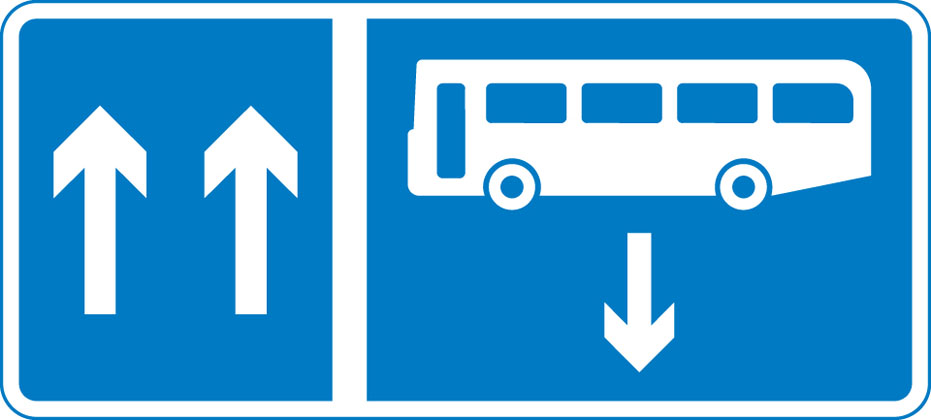
Contra-flow bus lane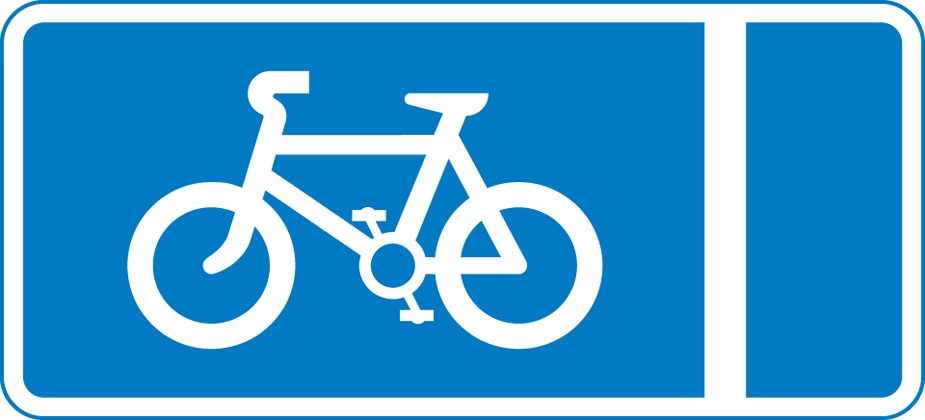
With-flow pedal cycle lane
Warning signs
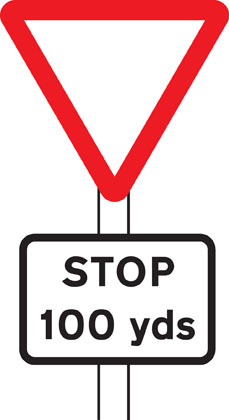
Distance to ‘STOP’ line ahead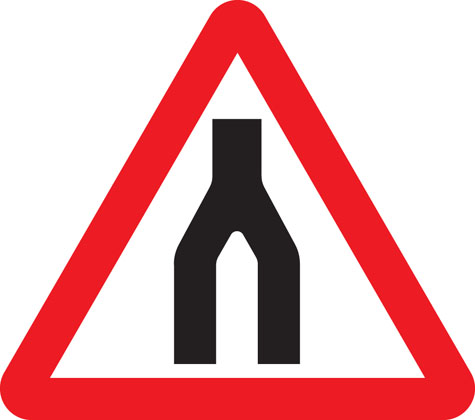
Dual carriageway ends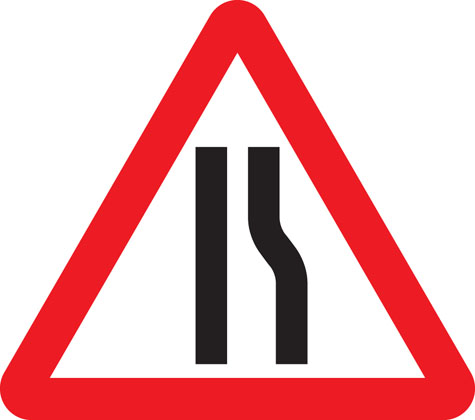
Road narrows on right (left if symbol reversed)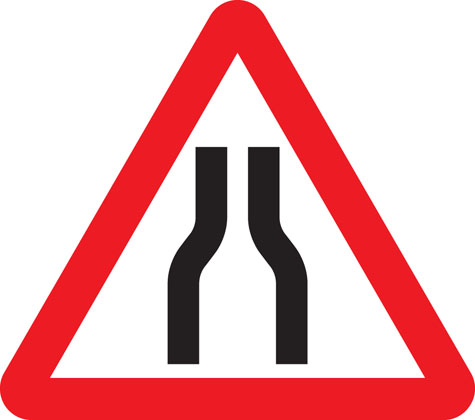
Road narrows on both sides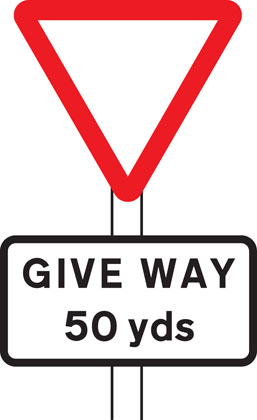
Distance to ‘Give Way’ line ahead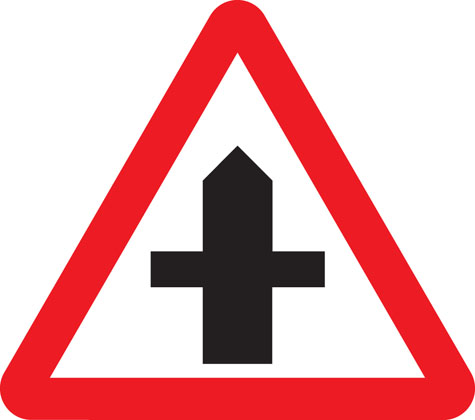
Crossroads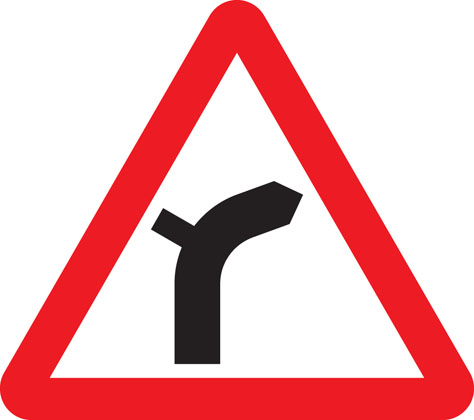
Junction on bend ahead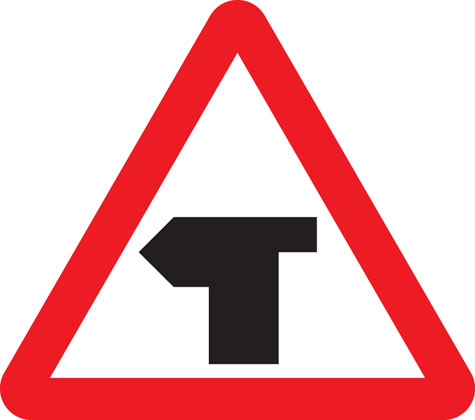
T-junction with priority over vehicles from the right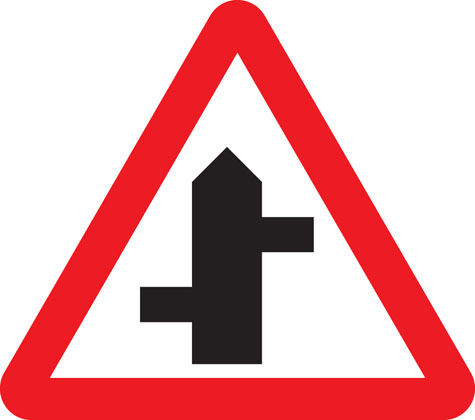
Staggered junction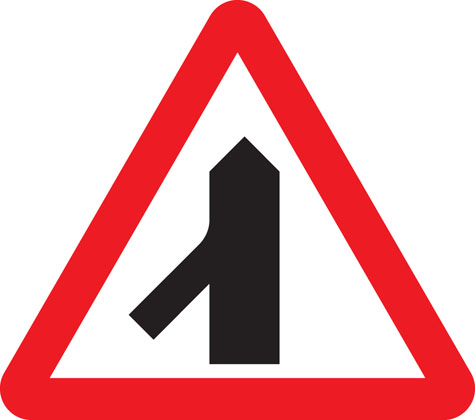
Traffic merging from left aheadThe priority through route is indicated by the broader line.
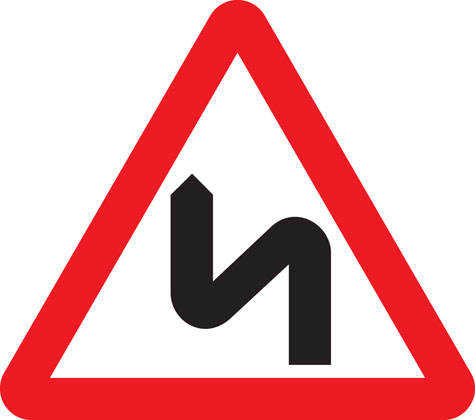
Double bend first to left (symbol may be reversed)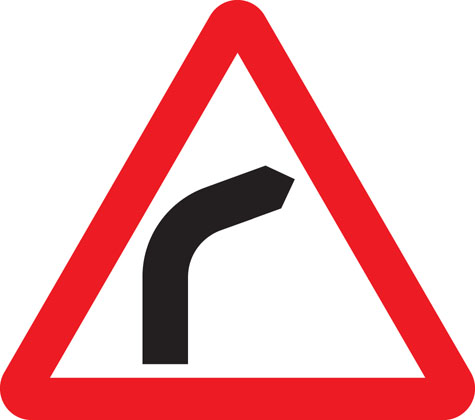
Bend to right (or left if symbol reversed)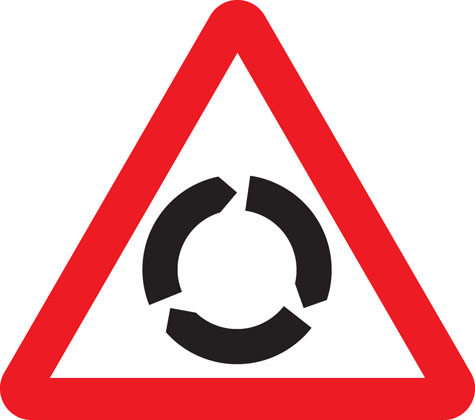
Roundabout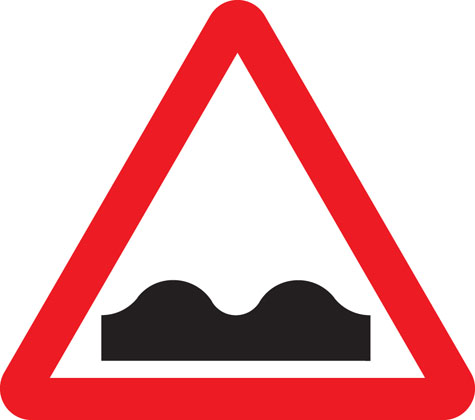
Uneven road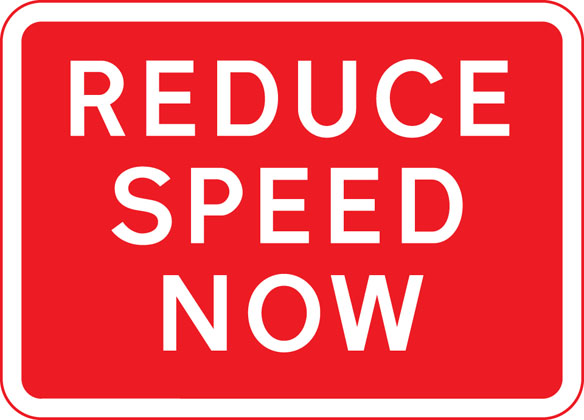
Plate below some signs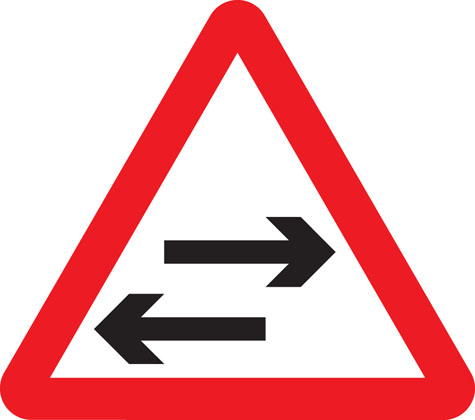
Two-way traffic crosses one-way road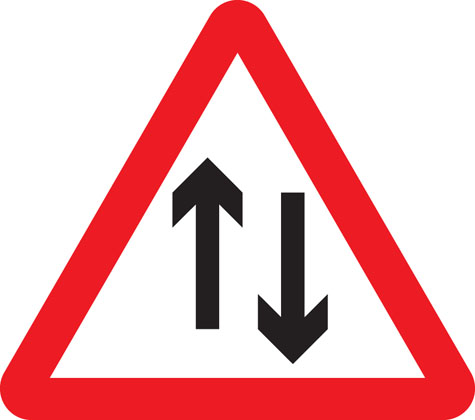
Two-way traffic straight ahead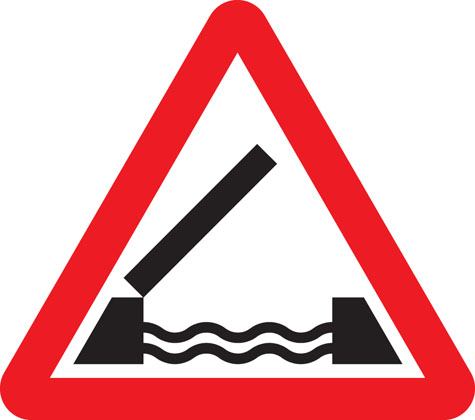
Opening or swing bridge ahead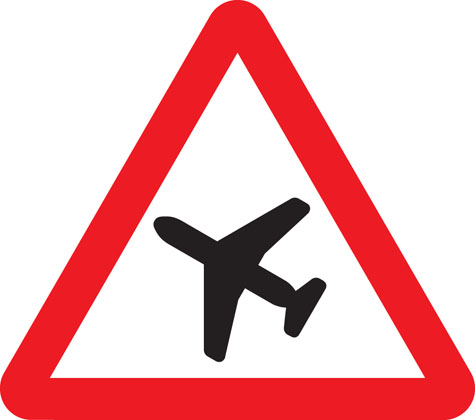
Low-flying aircraft or sudden aircraft noise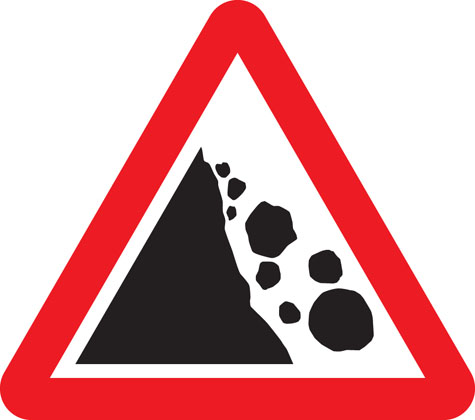
Falling or fallen rocks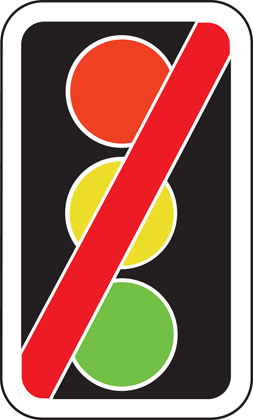
Traffic signals not in use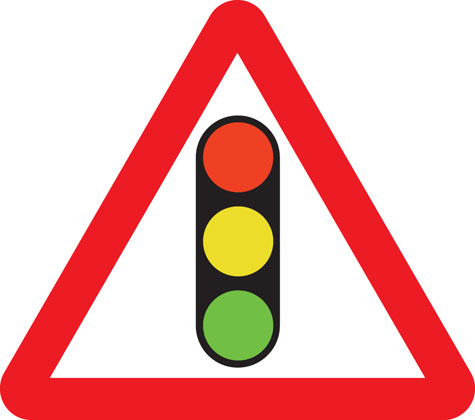
Traffic signals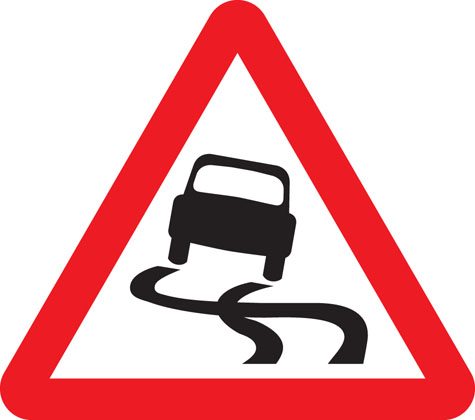
Slippery road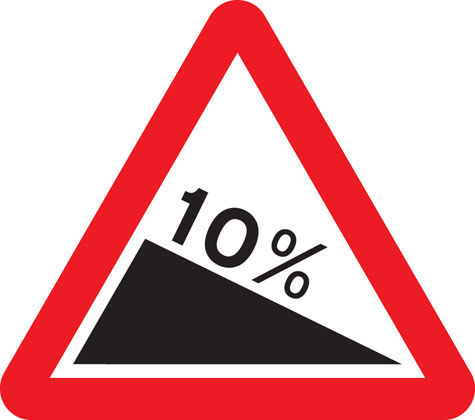
Steep hill downwards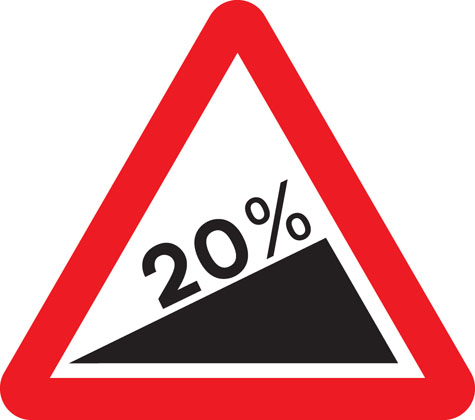
Steep hill upwardsGradients may be shown as a ratio i.e. 20% = 1:5
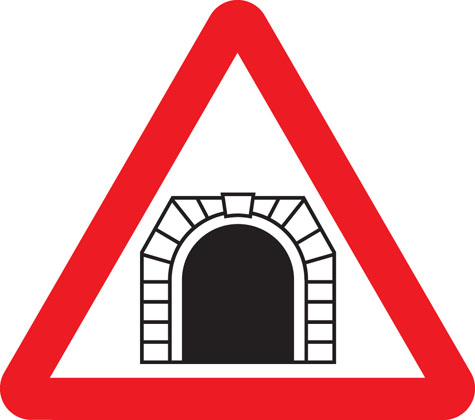
Tunnel ahead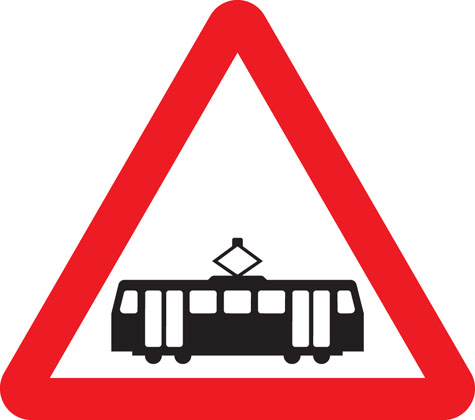
Trams crossing ahead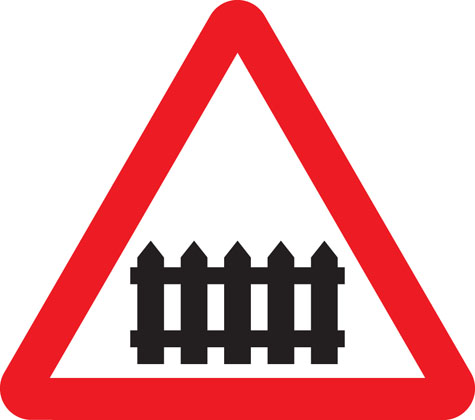
Level crossing with barrier or gate ahead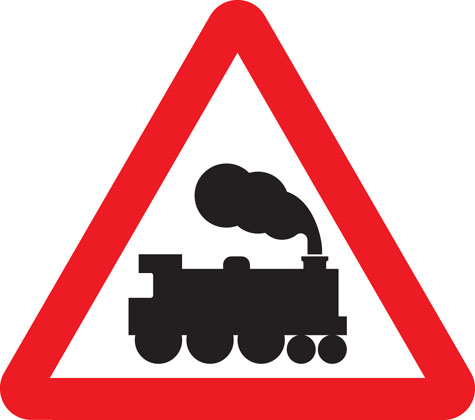
Level crossing without barrier or gate ahead
Level crossing without barrier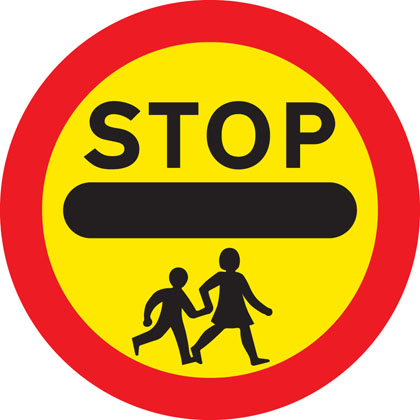
School crossing patrol ahead (some signs have amber lights which flash when crossings are in use)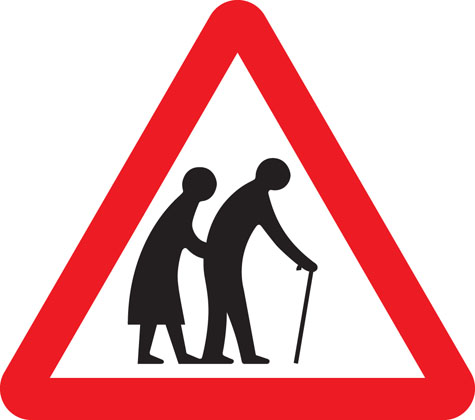
Frail (or blind or disabled if shown) pedestrians likely to cross road ahead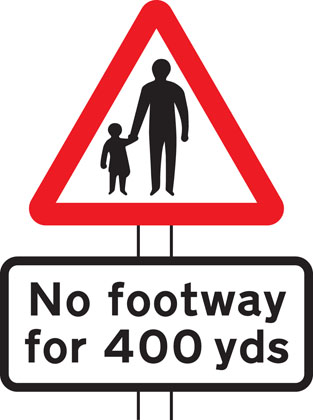
Pedestrians in road ahead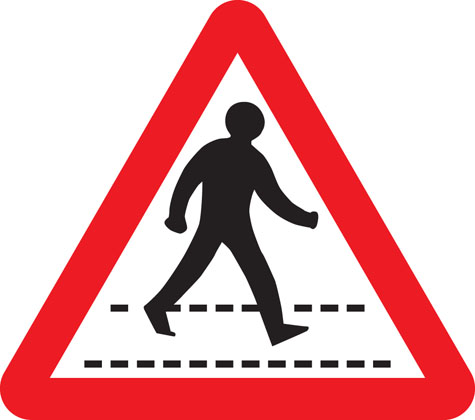
Zebra crossing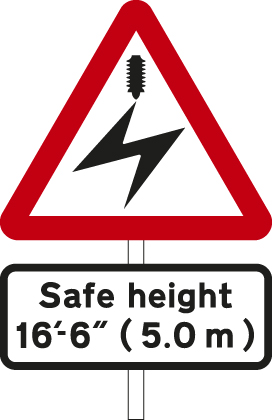
Overhead electric cable; plate indicates maximum height of vehicles which can pass safely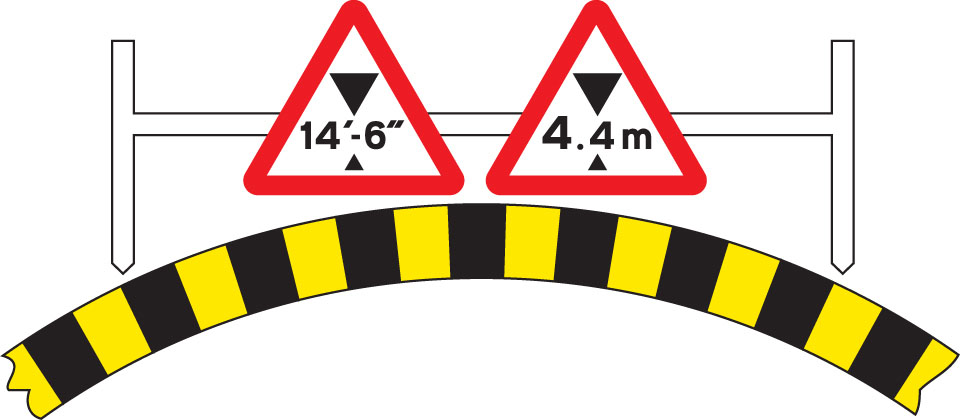
Available width of headroom indicated
Sharp deviation of route to left (or right if chevrons reversed)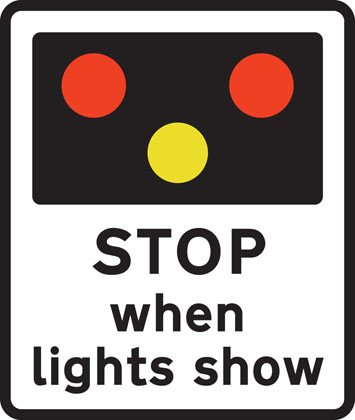
Light signals ahead at level crossing, airfield or bridge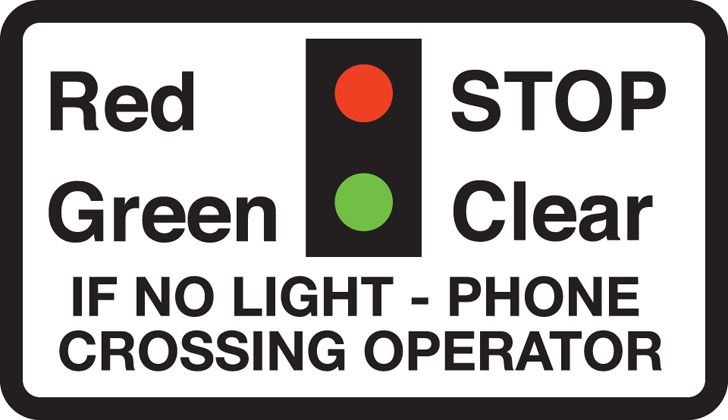
Miniature warning lights at level crossings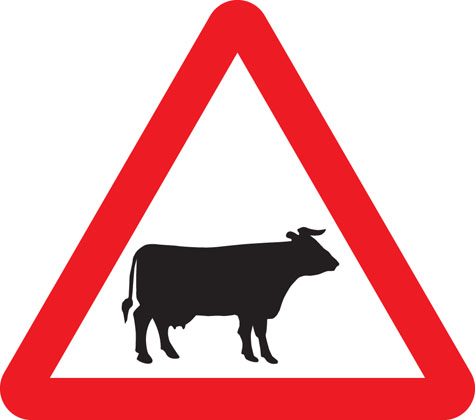
Cattle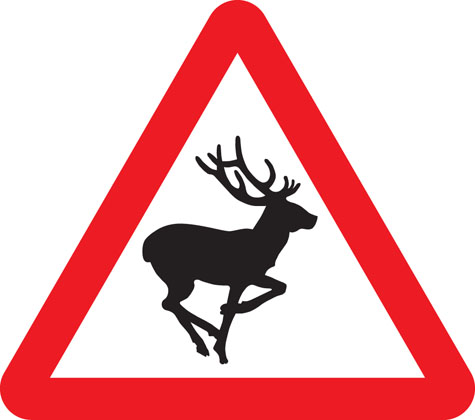
Wild animals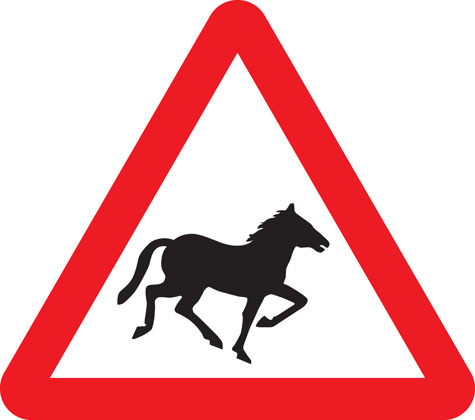
Wild horses or ponies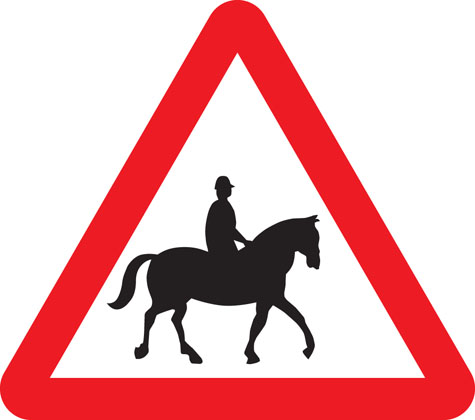
Accompanied horses or ponies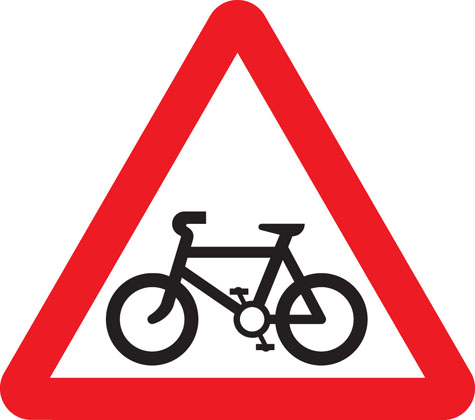
Cycle route ahead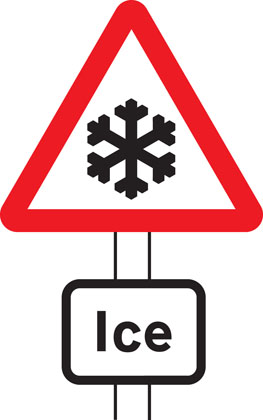
Risk of ice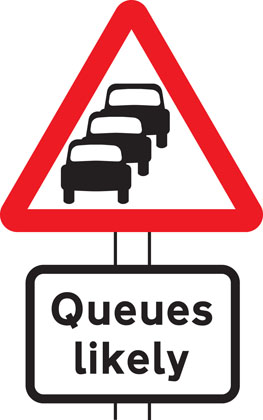
Traffic queues likely ahead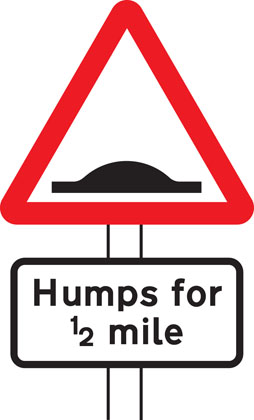
Distance over which road humps extend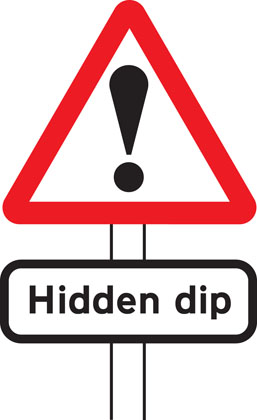
Other danger; plate indicates nature of danger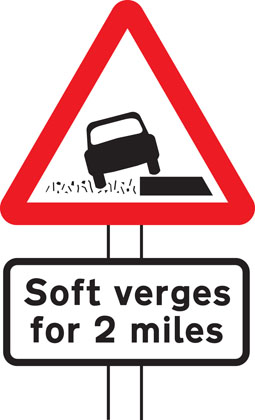
Soft verges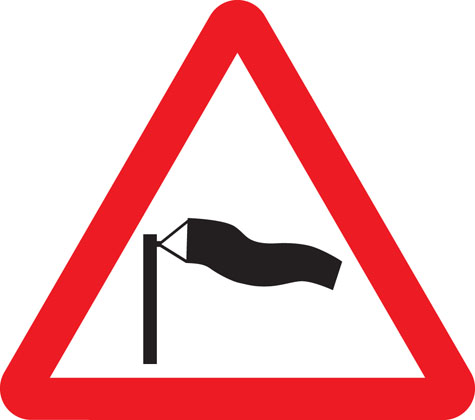
Side winds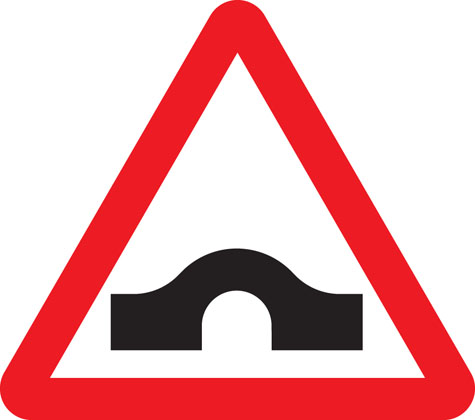
Hump bridge
Worded warning sign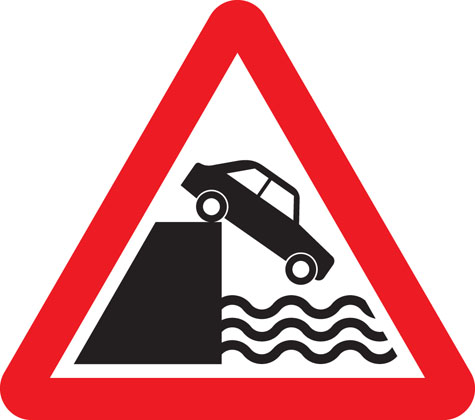
Quayside or river bank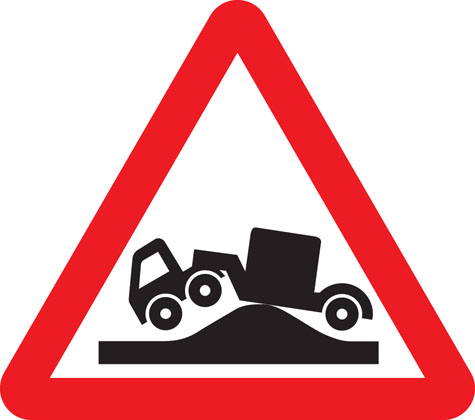
Risk of grounding
Direction signs
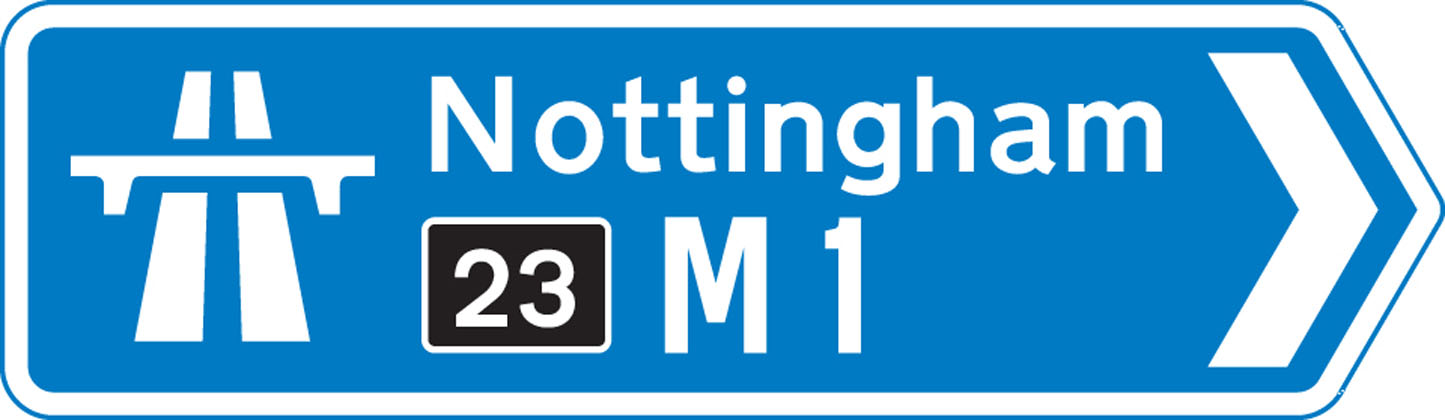
At a junction leading directly into a motorway (junction number may be shown on a black background)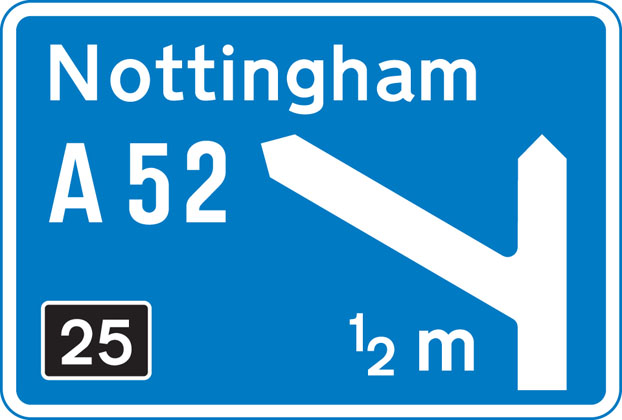
On approaches to junctions (junction number on black background)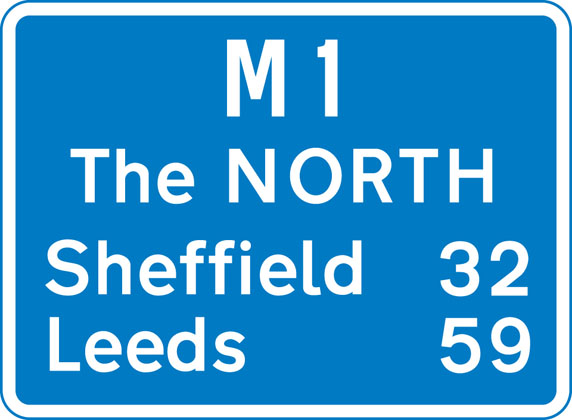
Route confirmatory sign after junction
Downward pointing arrows mean ‘Get in lane’ The left-hand lane leads to a different destination from the other lanes.
The panel with the inclined arrow indicates the destinations which can be reached by leaving the motorway at the next junction
Blue panels indicate that the motorway starts at the junction ahead.Motorways shown in brackets can also be reached along the route indicated. White panels indicate local or non-primary routes leading from the junction ahead.Brown panels show the route to tourist attractions.The name of the junction may be shown at the top of the sign.The aircraft symbol indicates the route to an airport.A symbol may be included to warn of a hazard or restriction along that route.
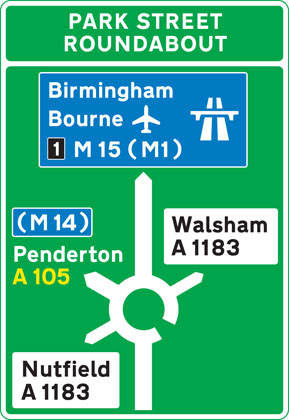
On approaches to junctions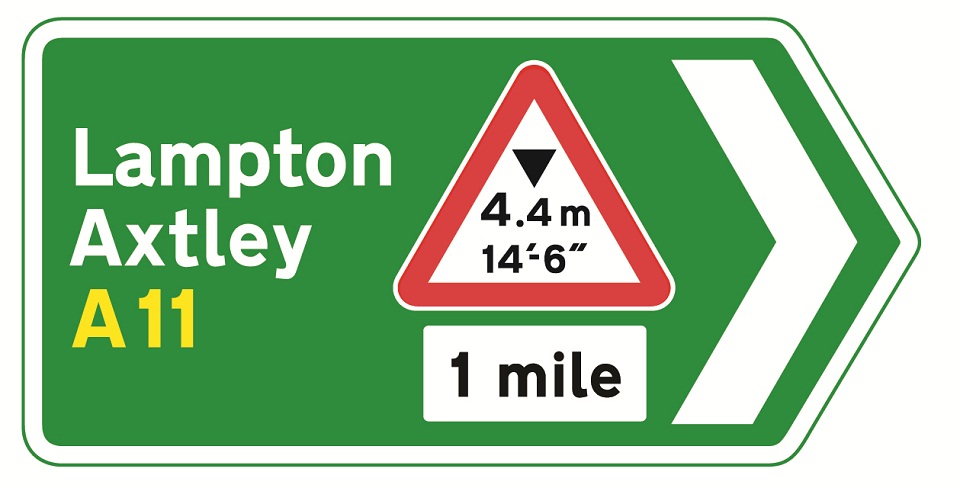
At the junction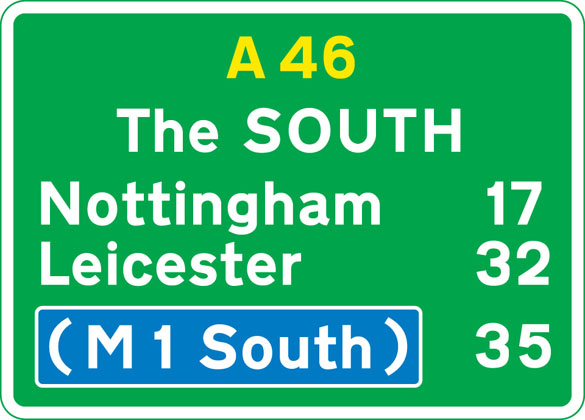
Route confirmatory sign after junction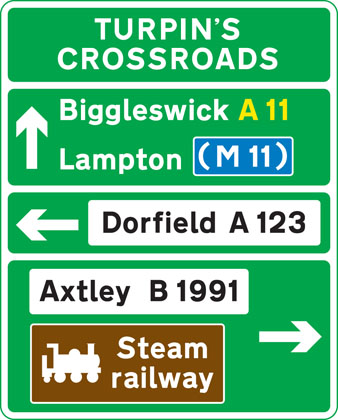
On approaches to junctions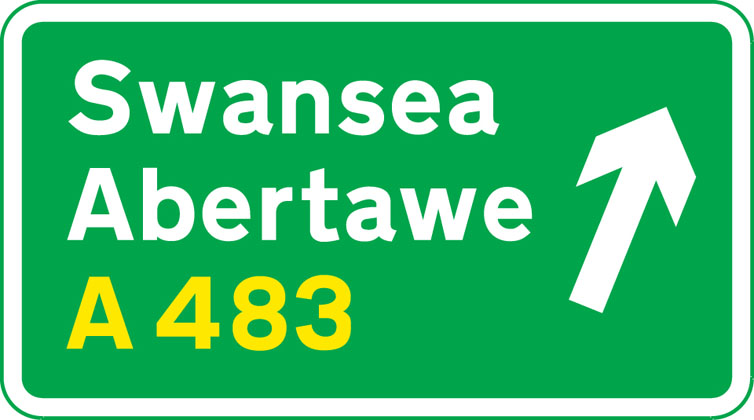
On approach to a junction in Wales (bilingual)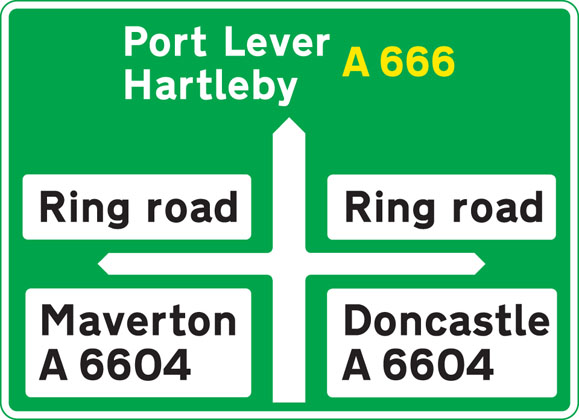
Primary route forming part of a ring road
Primary route forming part of a ring road
Green panels indicate that the primary route starts at the junction ahead. Route numbers on a blue background show the direction to a motorway. Route numbers on a green background show the direction to a primary route.
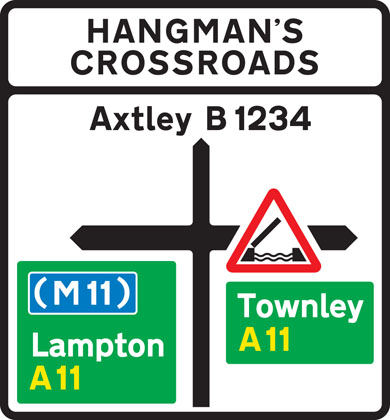
On approaches to junctions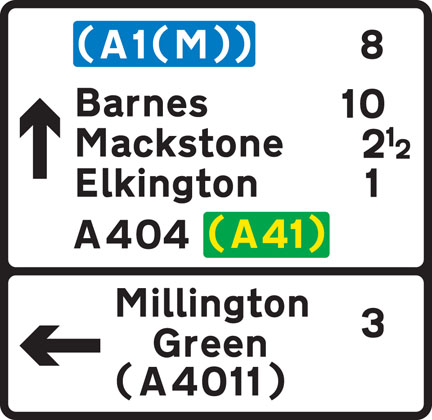
On approaches to junctions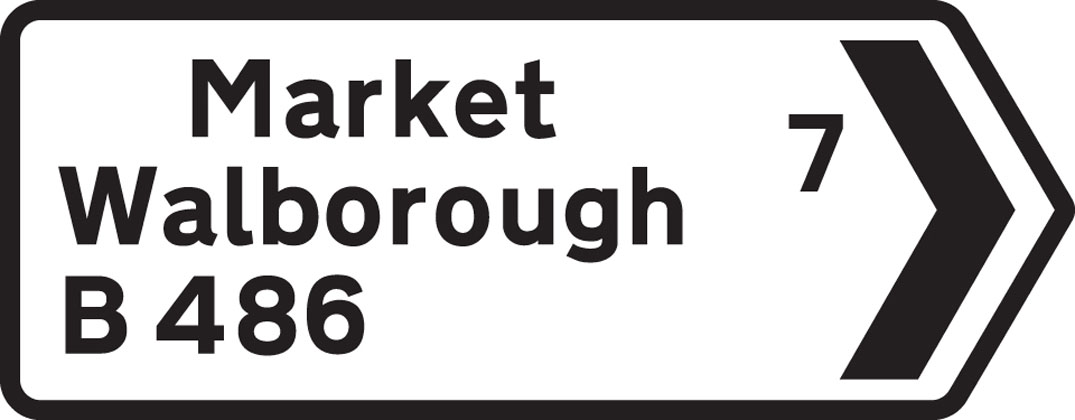
At the junction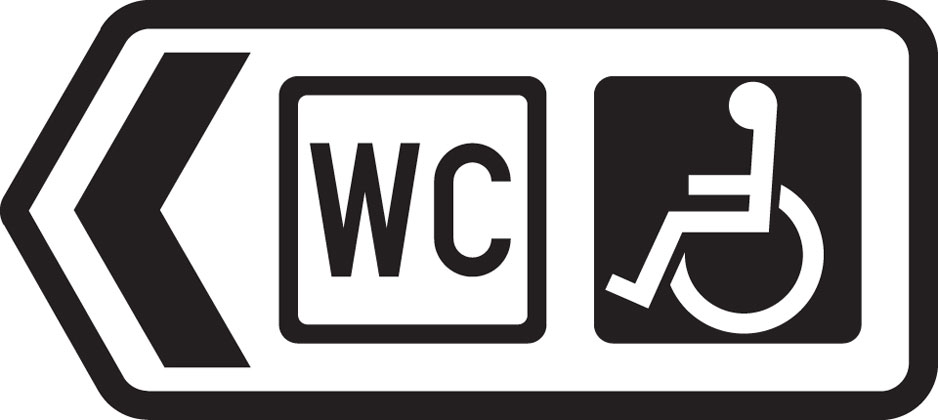
Direction to toilets with access for the disabled
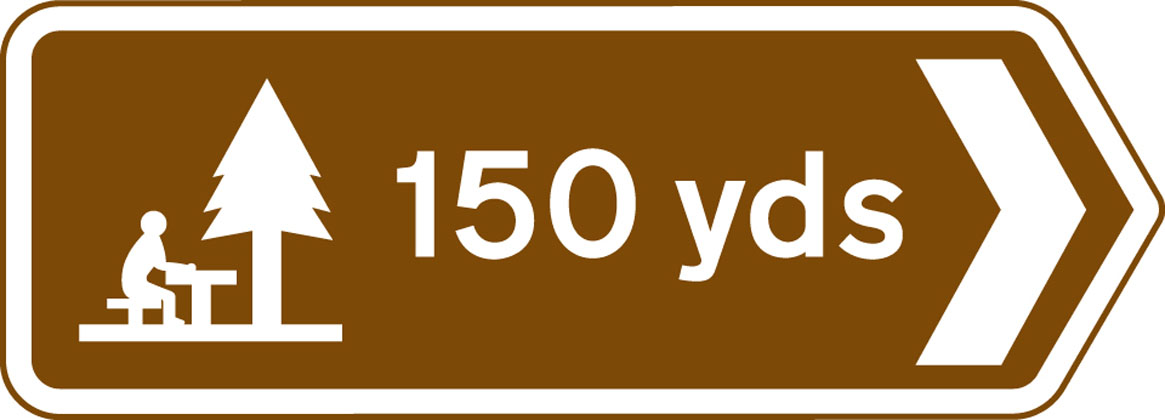
Picnic site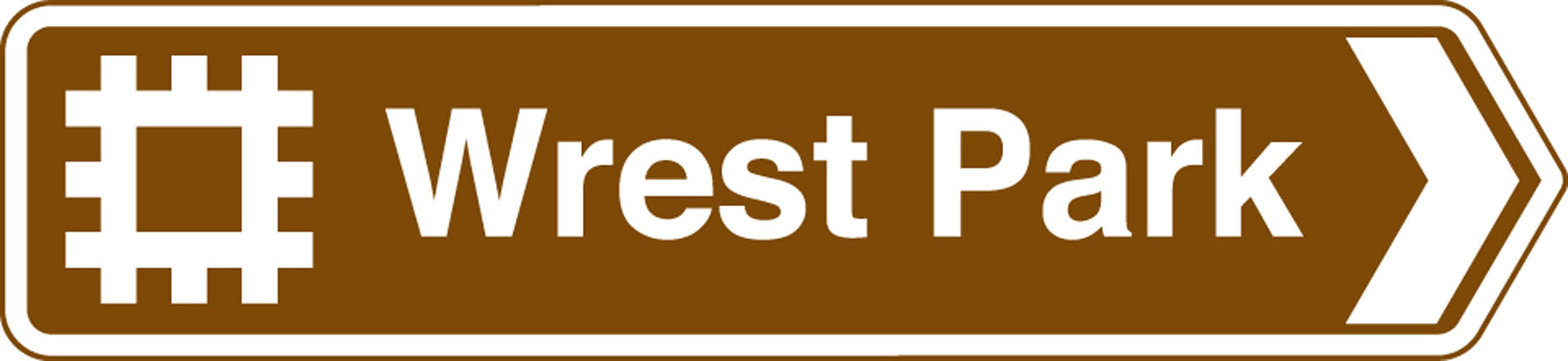
Ancient monument in the care of English Heritage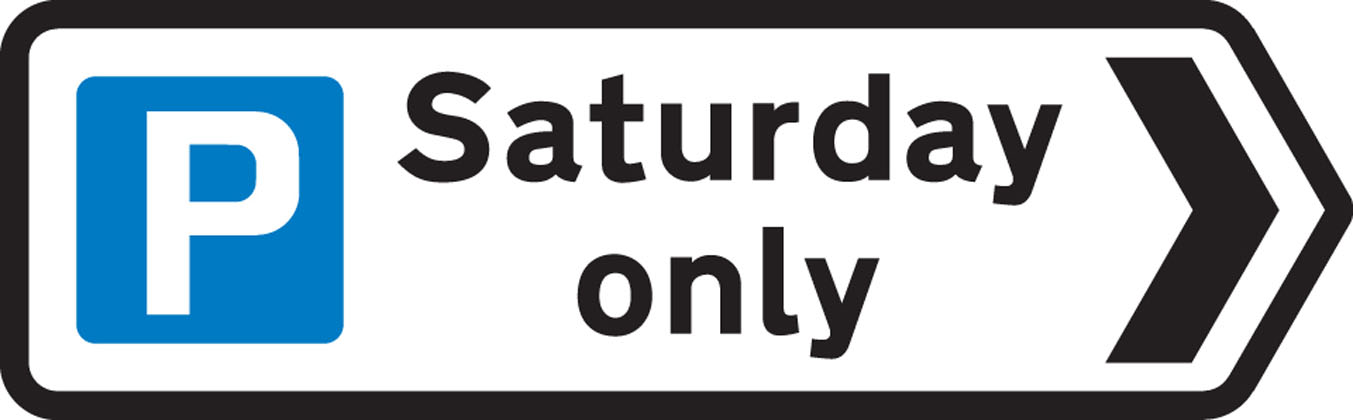
Direction to a car park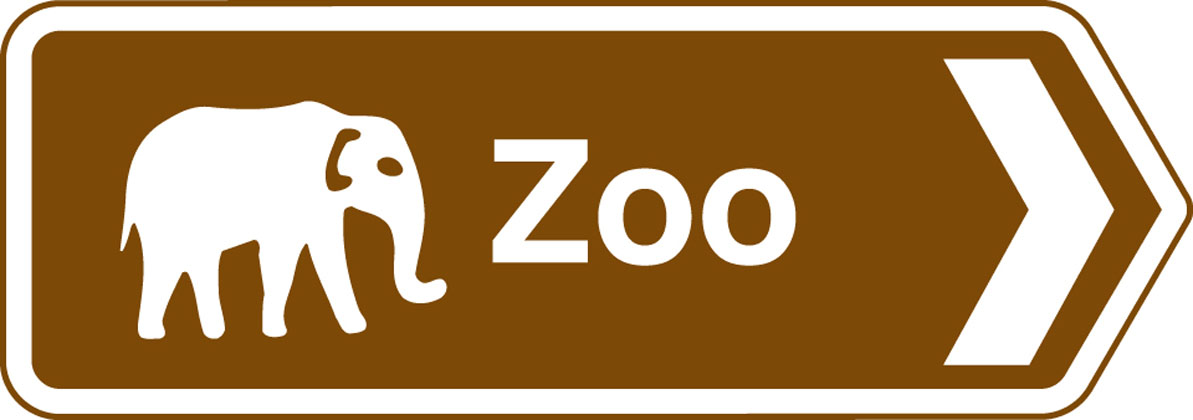
Tourist attraction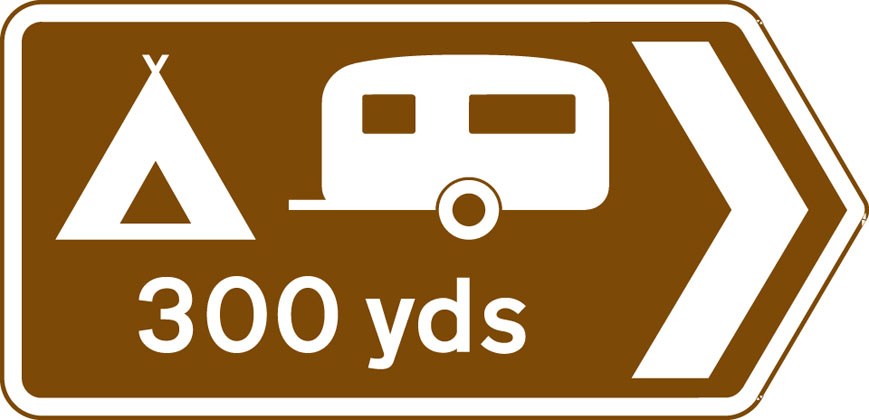
Direction to camping and caravan site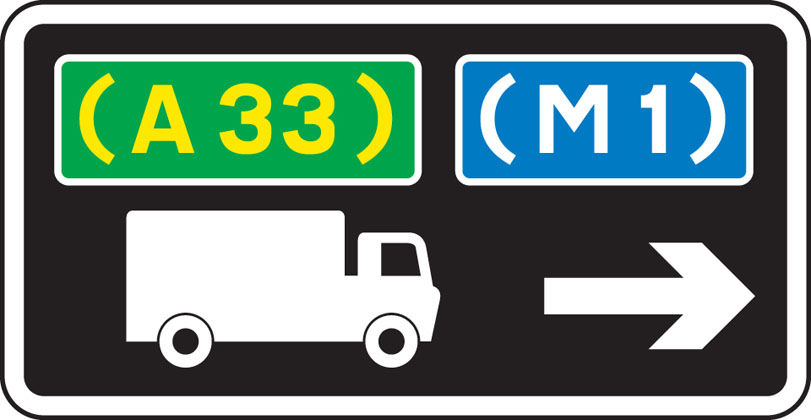
Advisory route for lorries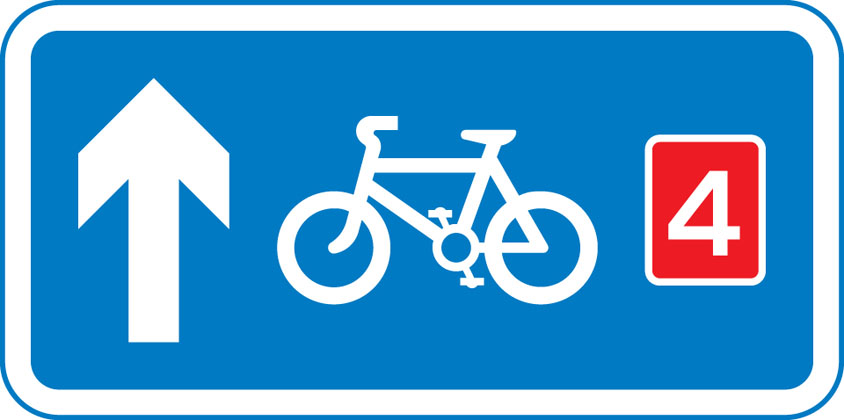
Route for pedal cycles forming part of a network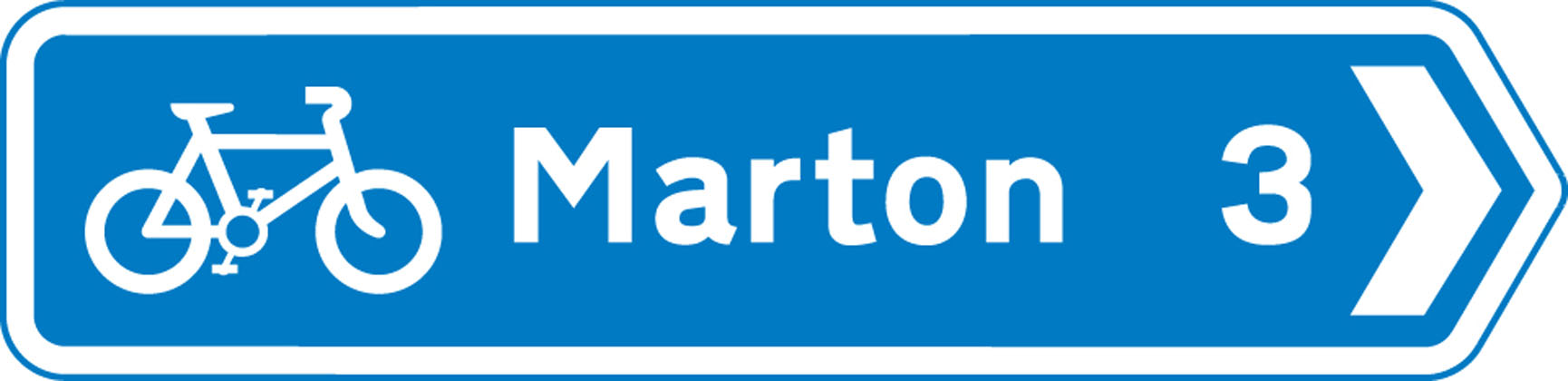
Recommended route for pedal cycles to place shown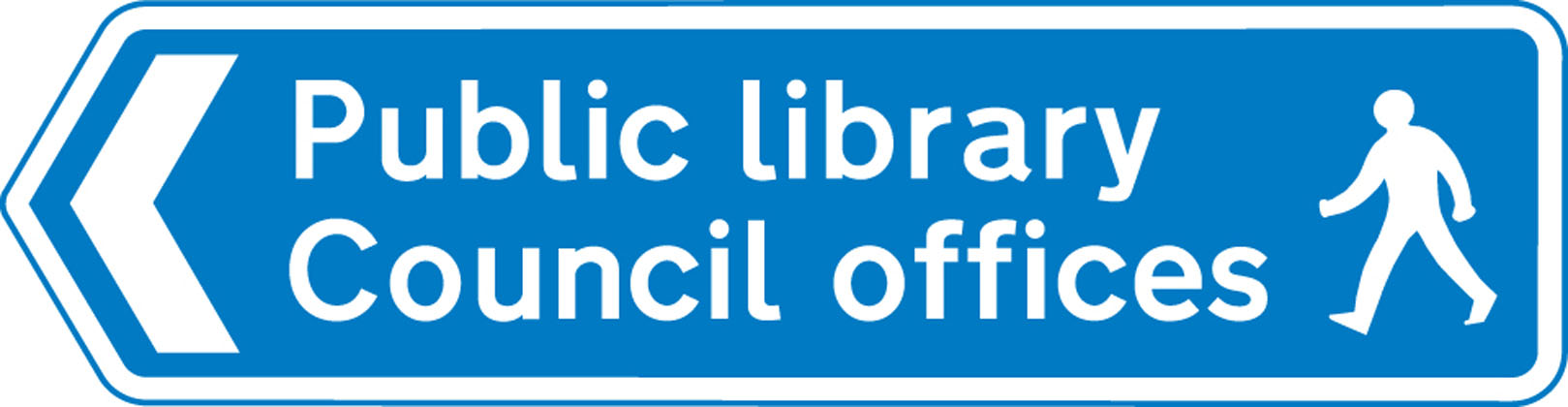
Route for pedestrians
Symbols showing emergency diversion route for motorway and other main road traffic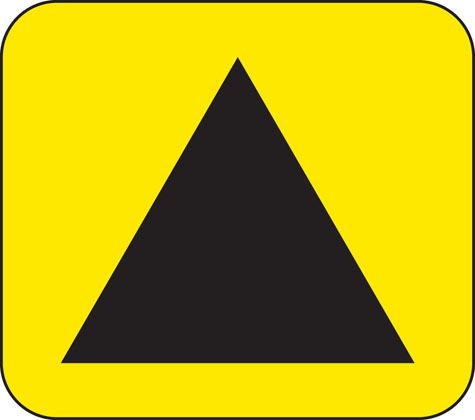
Symbols showing emergency diversion route for motorway and other main road traffic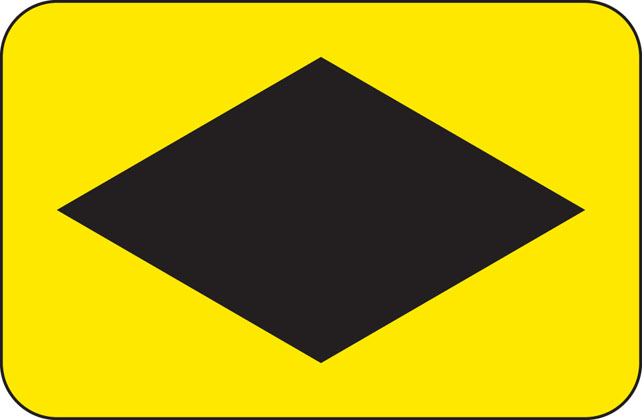
Symbols showing emergency diversion route for motorway and other main road traffic
Symbols showing emergency diversion route for motorway and other main road traffic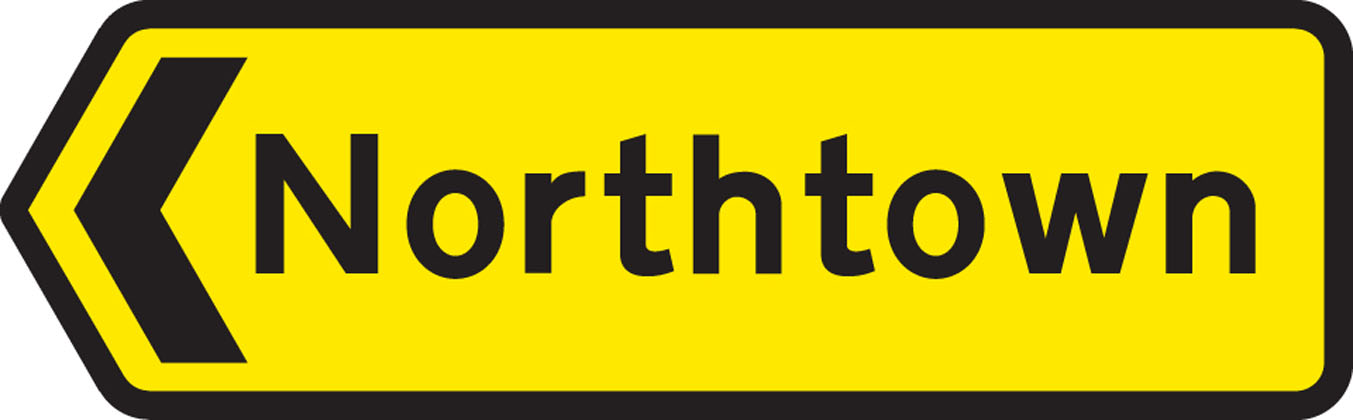
Diversion route
Information signs
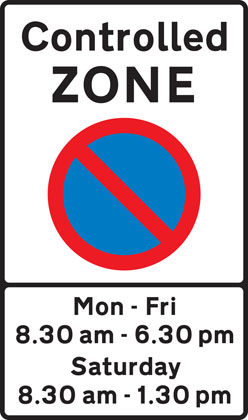
Entrance to controlled parking zone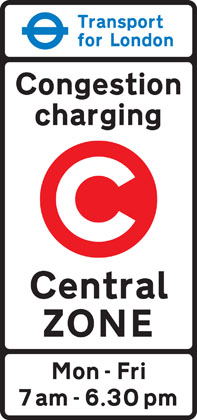
Entrance to congestion charging zone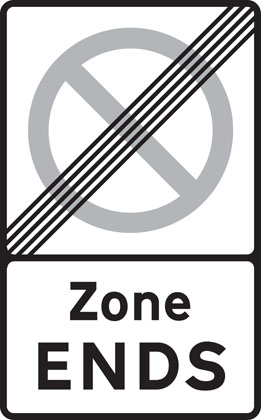
End of controlled parking zone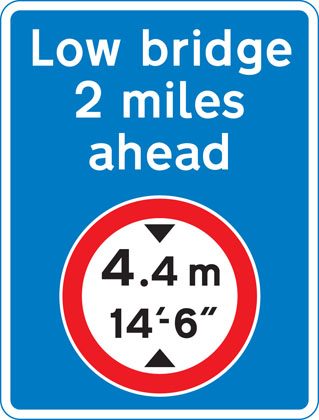
Advance warning of restriction or prohibition ahead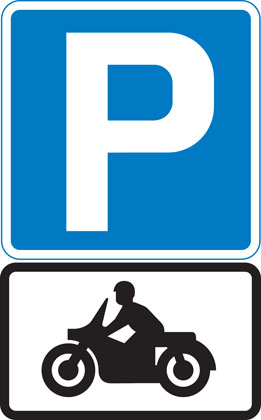
Parking place for solo motorcycles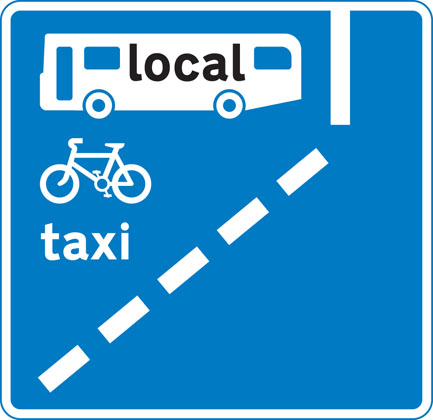
With-flow bus lane ahead which pedal cycles and taxis may also use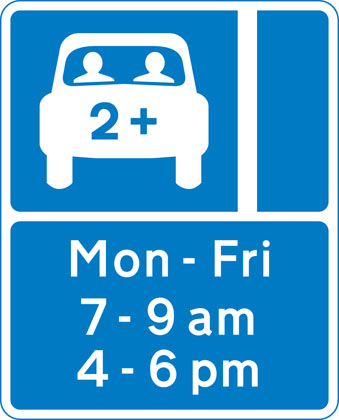
Lane designated for use by high occupancy vehicles (HOV) - see rule 142
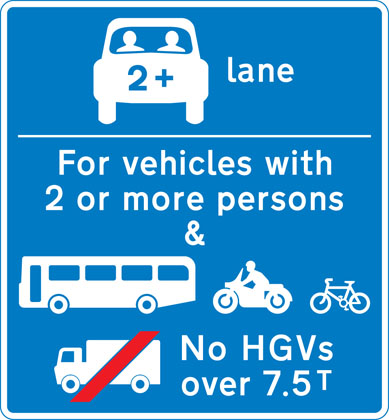
Vehicles permitted to use an HOV lane ahead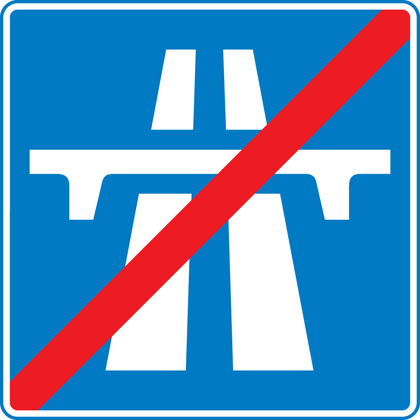
End of motorway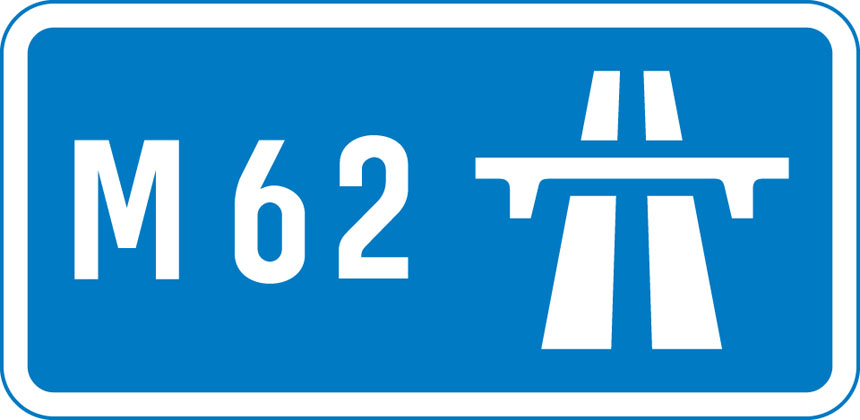
Start of motorway and point from which motorway regulations apply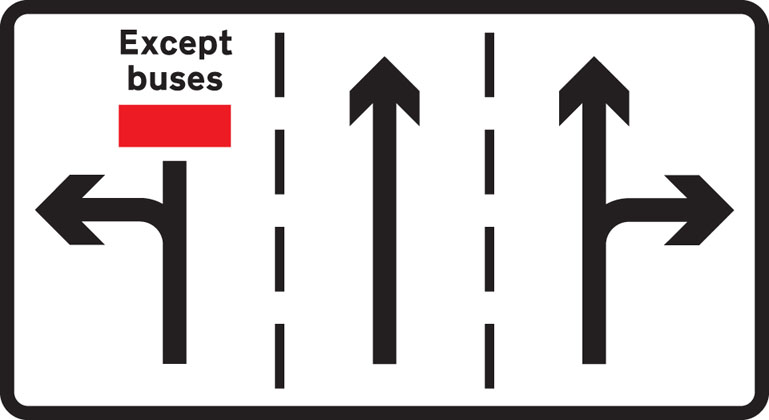
Appropriate traffic lanes at junction ahead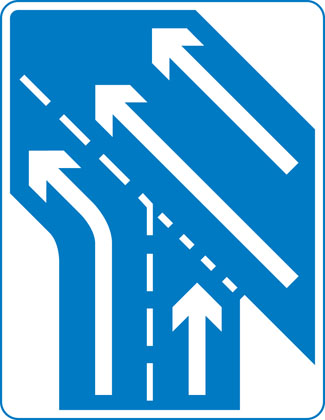
Traffic on the main carriageway coming from right has priority over joining traffic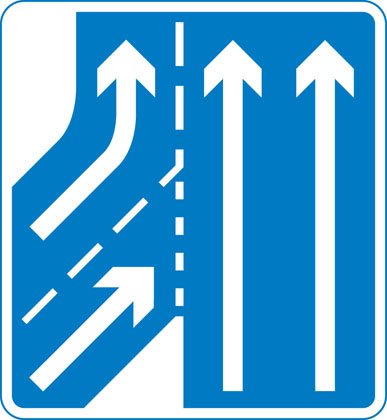
Additional traffic joining from left ahead. Traffic on main carriageway has priority over joining traffic from right hand lane of slip road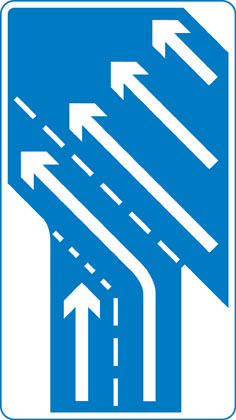
Traffic in right hand lane of slip road joining the main carriageway has priority over left hand lane
Variable speed limit with camera enforcement sign.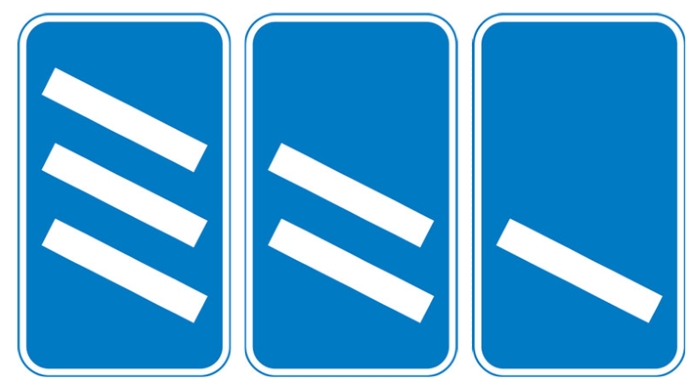
‘Countdown’ markers at exit from motorway (each bar represents 100 yards to the exit). Green-backed markers may be used on primary routes and white-backed markers with black bars on other routes. At approaches to concealed level crossings white-backed markers with red bars may be used. Although these will be erected at equal distances the bars do not represent 100 yard intervals.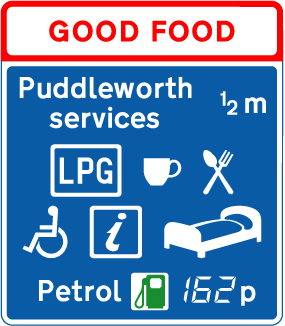
Motorway service area sign showing the operator’s name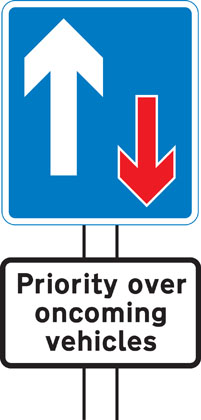
Traffic has priority over oncoming vehicles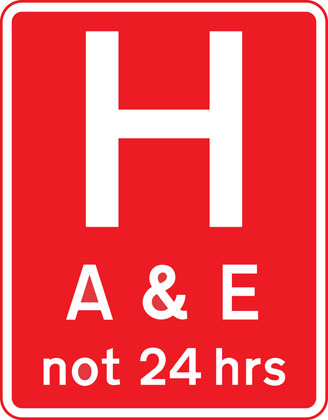
Hospital ahead with Accident and Emergency facilities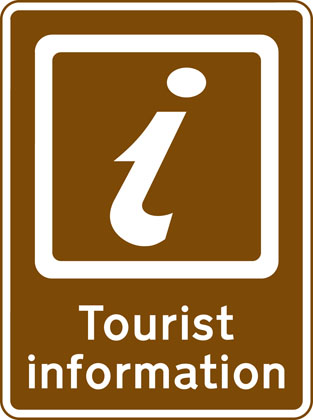
Tourist information point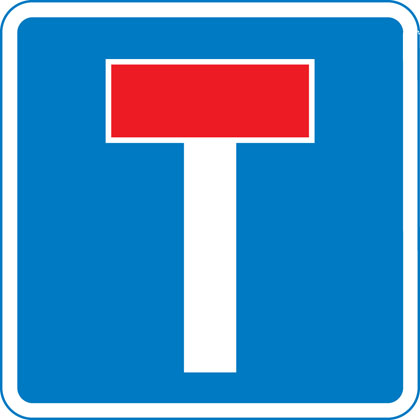
No through road for vehicles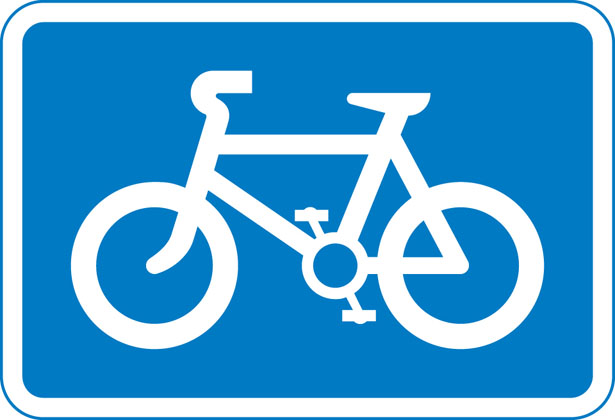
Recommended route for pedal cycles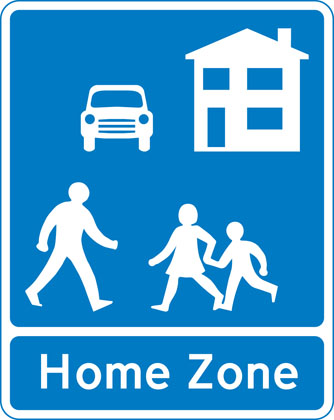
Home Zone Entry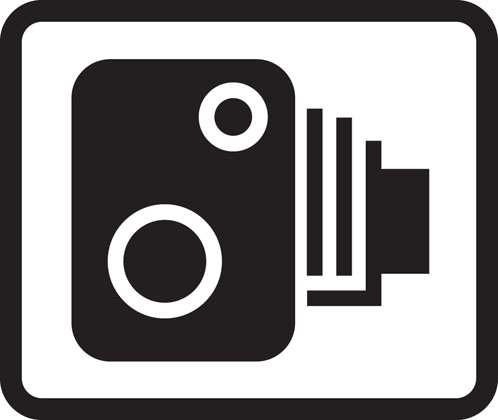
Area in which cameras are used to enforce traffic regulations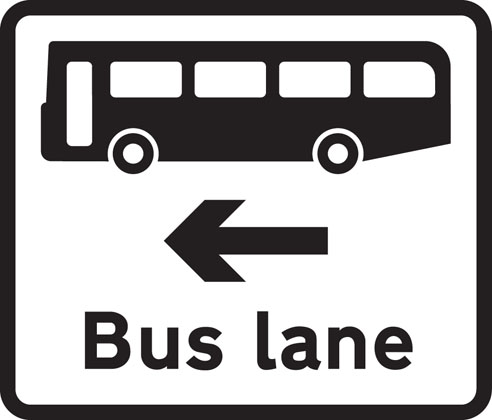
Bus lane on road at junction ahead
Road work signs
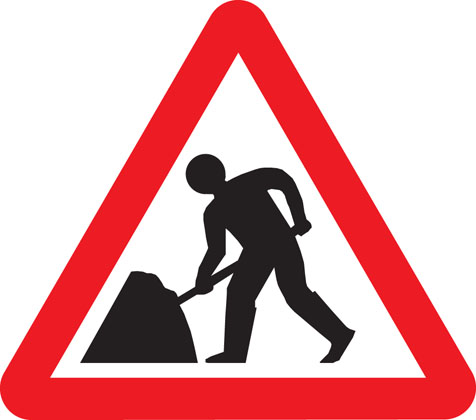
Road works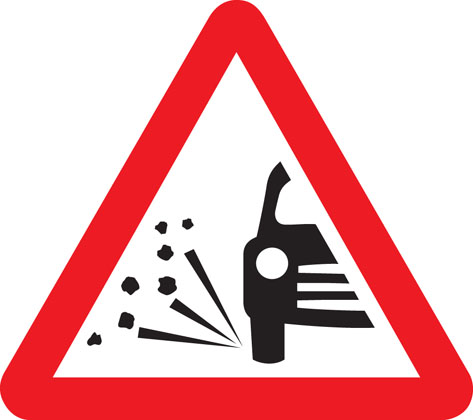
Loose chippings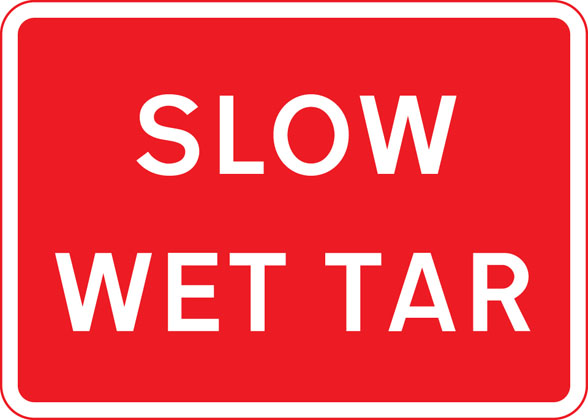
Temporary hazard at road works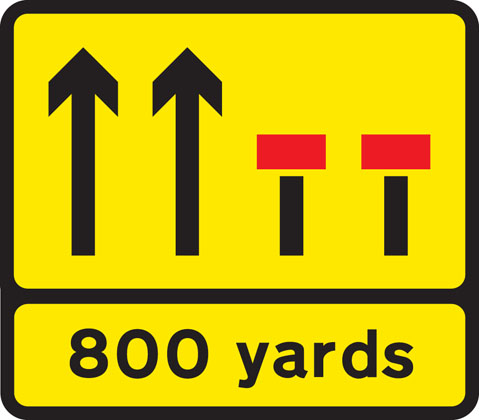
Temporary lane closure (the number and position of arrows and red bars may be varied according to lanes open and closed)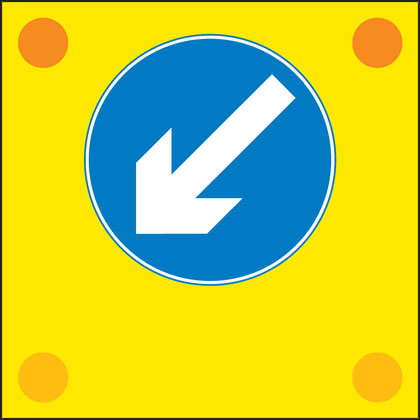
Slow-moving or stationary works vehicle blocking a traffic lane. Pass in the direction shown by the arrow.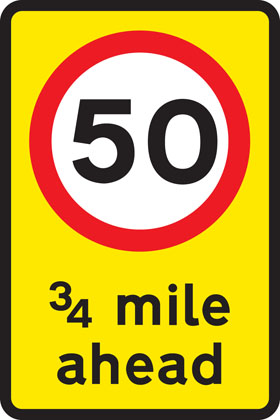
Mandatory speed limit ahead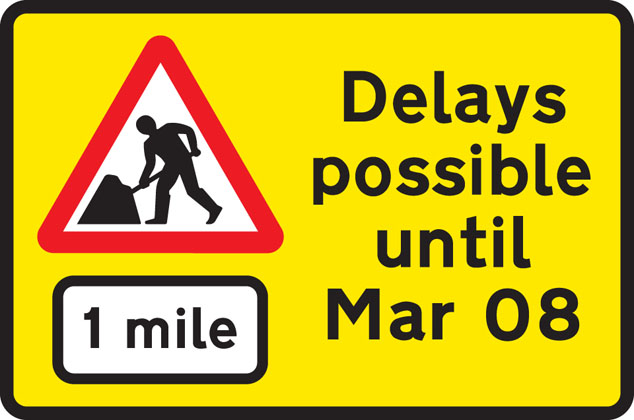
Road works 1 mile ahead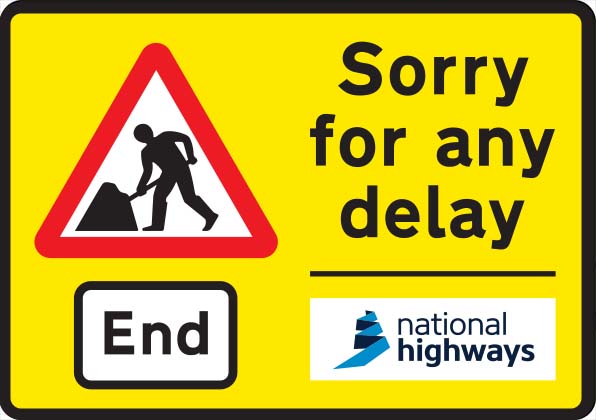
End of road works and any temporary restrictions including speed limits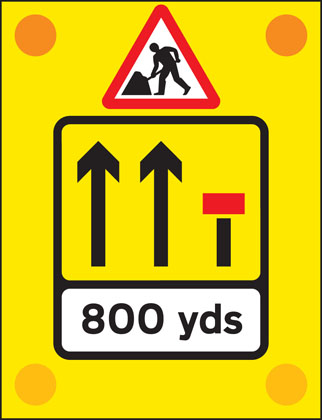
Signs used on the back of slow-moving or stationary vehicles warning of a lane closed ahead by a works vehicle. There are no cones on the road.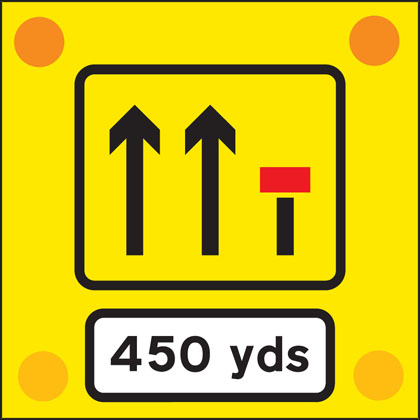
Signs used on the back of slow-moving or stationary vehicles warning of a lane closed ahead by a works vehicle. There are no cones on the road.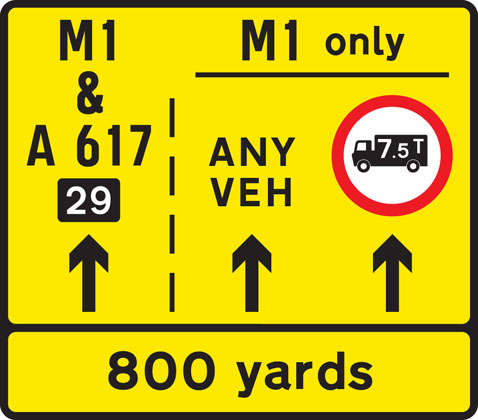
Lane restrictions at road works ahead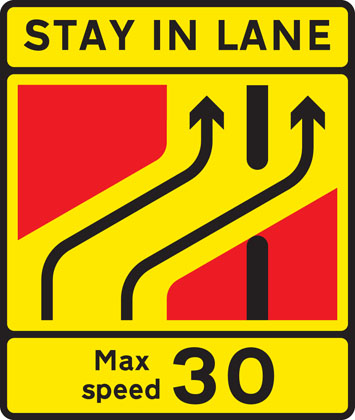
One lane crossover at contraflow road works